Our Mission

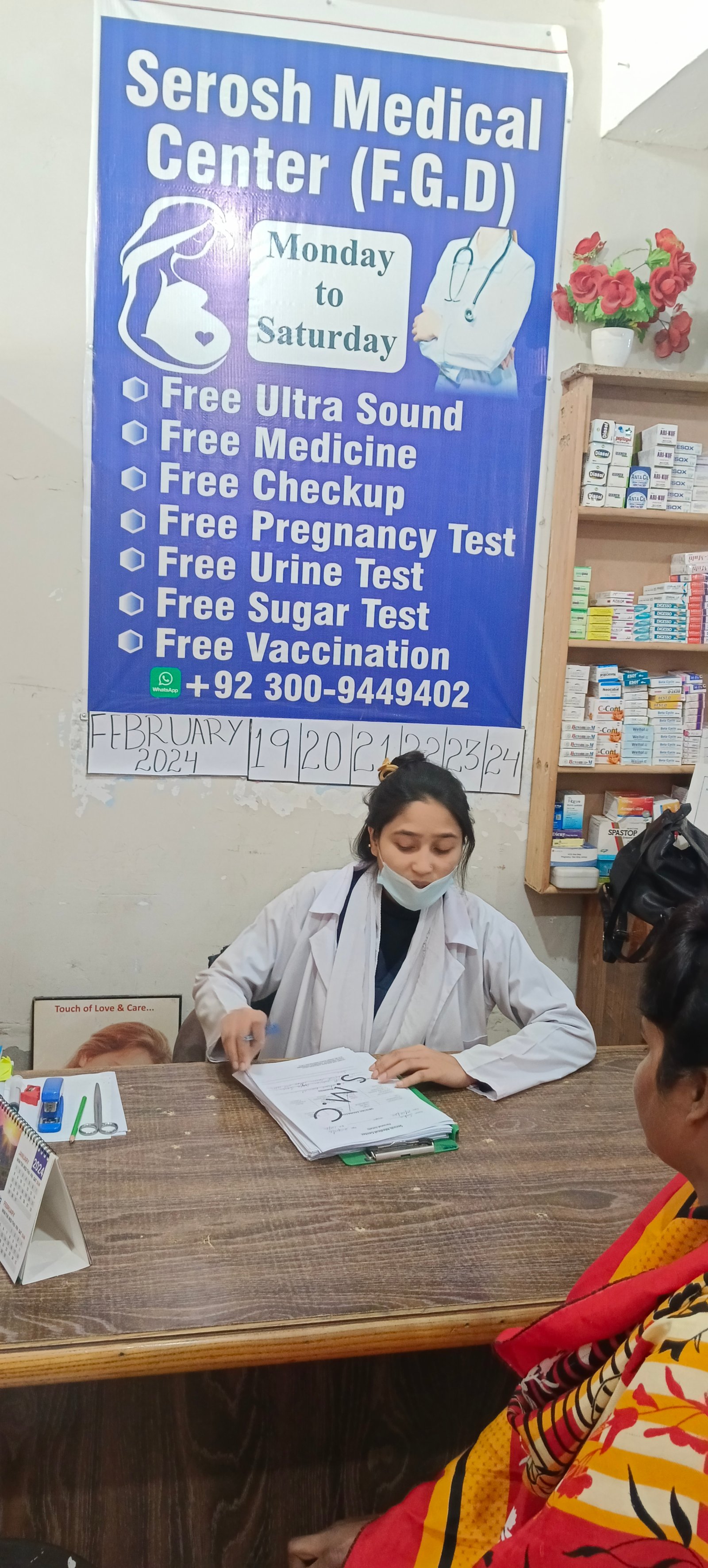
The mission of the Free Dispensaries Initiative is to provide consistent, accessible, and high-quality primary healthcare to underserved and vulnerable communities—completely free of cost—while removing the barriers of fear, poverty, and distance that prevent people from seeking timely medical care.

We are committed to:

  • Delivering early diagnosis and continuous treatment to ensure long-term healing, not just temporary relief.
  • Establishing community-based dispensaries where healthcare reaches people in their own environments.
  • Integrating compassion with care, restoring dignity to every individual regardless of their financial condition.
  • Strengthening the role of the Church as a provider, where spiritual and physical well-being are addressed together.
  • Expanding a sustainable network of dispensaries that ensures no life is left untreated due to lack of access or affordability.

Our mission is not only to treat illness—but to transform lives through consistent care, presence, and purpose.

How We Do It?

How We Do It — Free Dispensaries Initiative

Establishing a free dispensary is not a momentary decision—it is a deliberate, prayerful, and resource-intensive process shaped by real community need and long-term commitment.

1. Identifying the Need
We begin by reaching into communities and closely observing the realities people face. Through on-ground engagement, medical camps, and local connections, we assess the immediate and ongoing healthcare needs of a specific area—especially where access is limited by poverty, distance, or neglect.

2. Discernment & Strategic Decision
Based on these findings, the leadership and management team carefully evaluate whether a permanent dispensary is required. This decision is not taken lightly; it is guided by impact potential, sustainability, and the urgency of the need.

3. Resource Mobilization
One of the most challenging phases is gathering the necessary resources. Establishing a dispensary requires significant financial investment—for renting or building infrastructure, equipping the facility, and ensuring operational continuity. Securing these resources often takes time, faith, and persistence.

4. Infrastructure Development
Once resources begin to align, we move toward creating a functional medical space—either by renting a suitable location or constructing a dedicated facility. Every dispensary is designed to be accessible, welcoming, and capable of delivering consistent care.

5. Establishment & Operations
With the foundation in place, the dispensary is launched to serve the community with free, quality healthcare. From consultations to follow-ups, the focus is on continuity of care—ensuring that healing is not temporary but sustained.

A Process That Takes Time—but Creates Lasting Impact
From identification to establishment, this journey can take several years. It demands patience, sacrifice, and unwavering commitment. But the result is more than a building—it is a permanent source of healing, dignity, and hope for communities that need it most.

Free Dispensary Establishment History

The Free Dispensaries Initiative began with a simple but defining moment—when a problem was seen, and instead of waiting for someone else to solve it, a decision was made to act.

For years, communities were being reached through free medical camps. People came, received treatment, and returned to their homes. But over time, a deeper issue became impossible to ignore. Many patients were not truly recovering. Their conditions persisted, worsened, or returned—because what they received was temporary relief, not continuous care.

At the same time, another barrier stood quietly in the way: hesitation. Many individuals, even when unwell, avoided visiting medical centers due to fear of costs, uncertainty, or lack of access. Illness was often endured rather than treated.

This was the turning point.

The realization that care must be consistent—not occasional—led to the birth of the first free dispensary. It was not built out of convenience, but out of conviction. A conviction that if the need is visible, the responsibility is personal.

What began as one step of obedience soon grew into a movement. The model shifted from temporary outreach to permanent presence—from camps to continuous care. Each dispensary established became a response to the same principle: do not wait for change—be the change.

Today, the Free Dispensaries Initiative stands as a testimony of that first decision. A reminder that transformation does not begin with resources or scale—it begins when someone chooses to act.

"Unless the Lord builds the house, the builders labor in vain." – Psalm 127:1
SHafqat Shoukat
Chairman

Serosh Dispensary Youhanabad

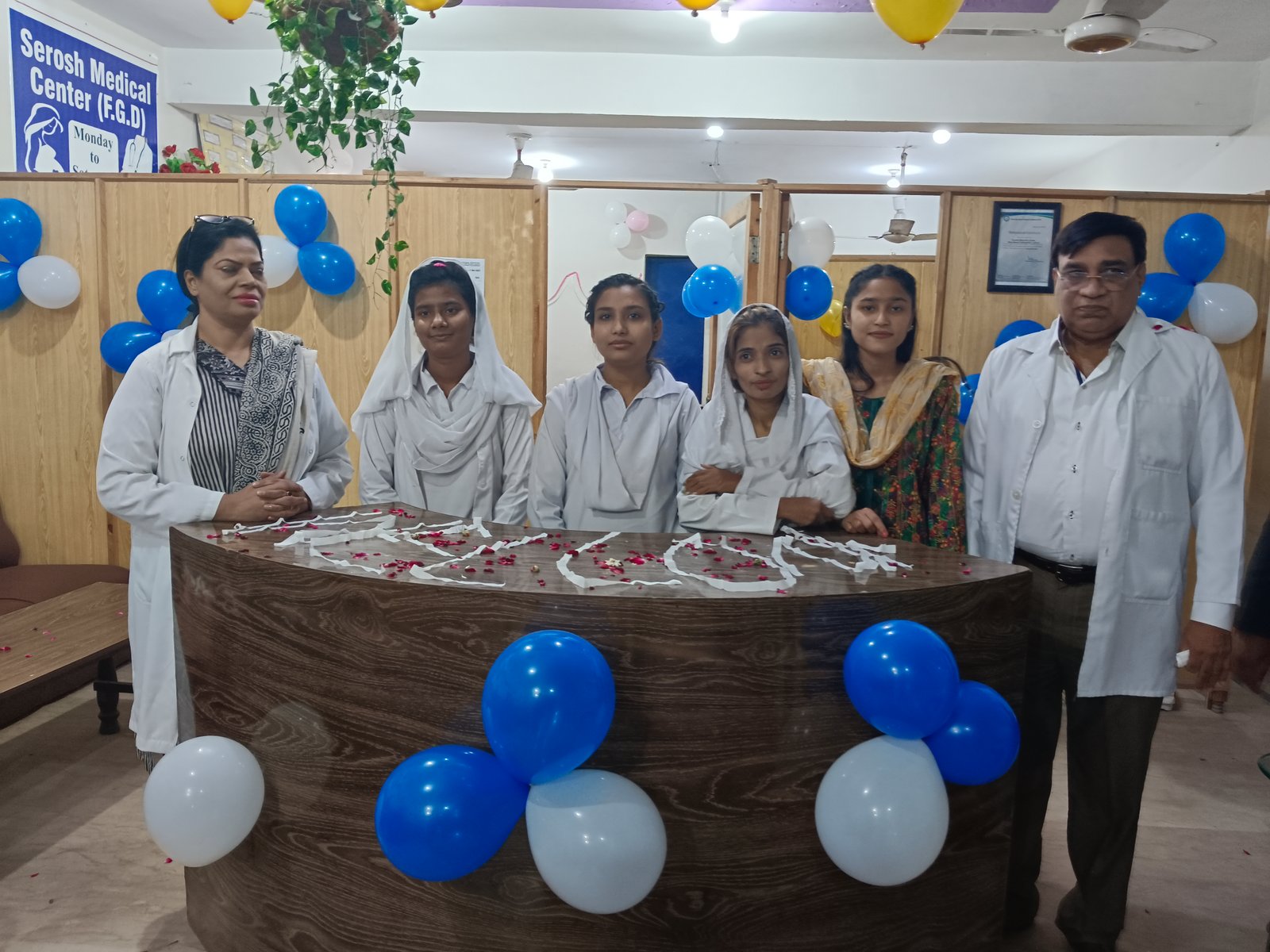
In the heart of Youhanabad—where access to healthcare is often limited by poverty and fear—Serosh Dispensary stands as a lifeline. It was the first step toward transforming temporary relief into lasting impact.

For years, free medical camps brought hope, but many patients returned with the same conditions—unhealed, untreated, and unheard. The reality was clear: healing requires consistency, not moments. And for many, even stepping into a medical facility carried the burden of financial fear.

Serosh Dispensary was established to break that barrier.

Here, treatment is not delayed by cost. Care is not compromised by circumstance. From early diagnosis to follow-up care, the dispensary ensures that individuals receive continuous, quality healthcare—completely free of charge.

More than a medical facility, it is a place where dignity is restored, trust is rebuilt, and lives begin to change—one patient at a time.


Explore the story of Youhanabad dispensary and see what it truly means to bring care where it is needed most.

Serosh Dispensary Gohawa Village

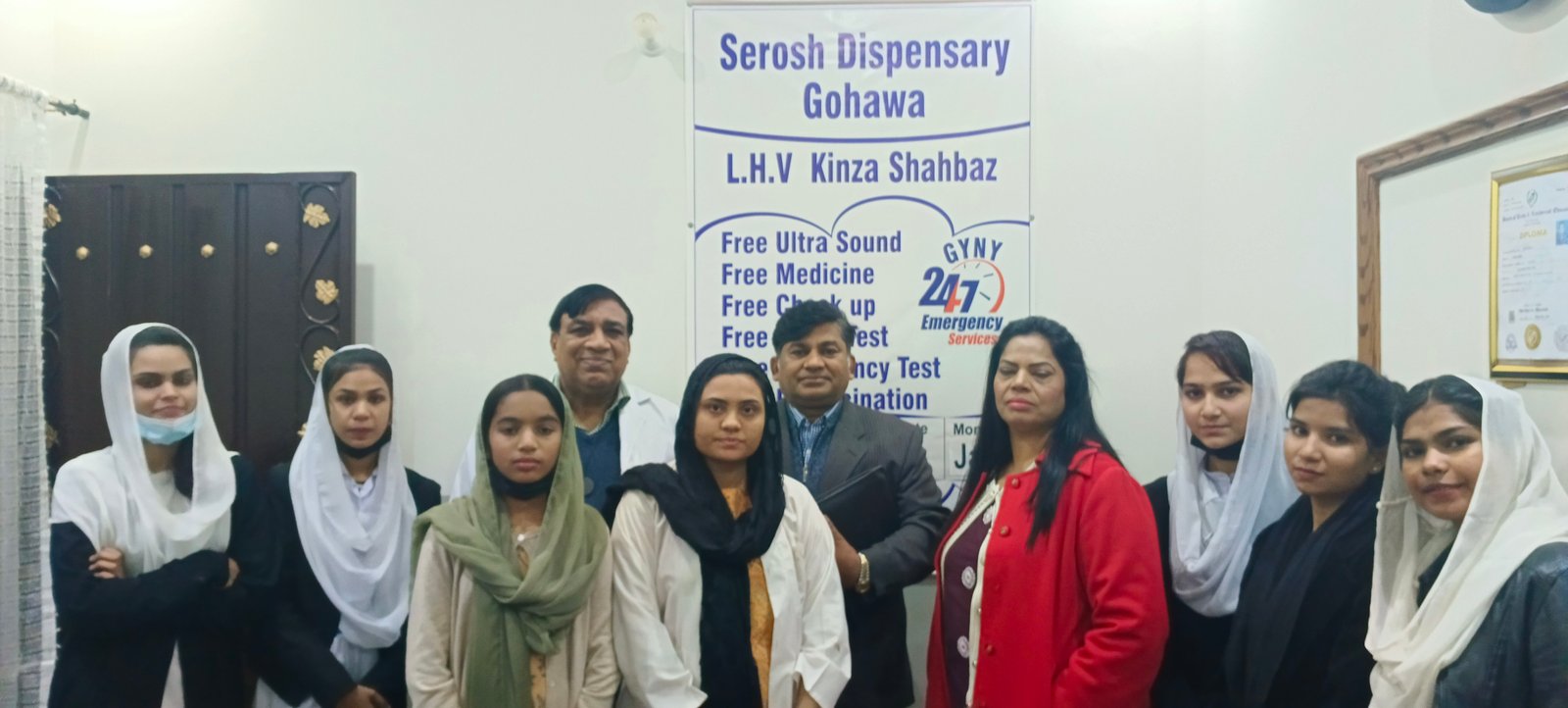
In the underserved village of Gohawa, where access to even basic healthcare remains a daily struggle, Serosh Dispensary stands as a powerful testament to what happens when vision meets action.

What makes this dispensary extraordinary is not just the care it provides—but the hands through which it operates. Led by one of our own trained students, Kinza Shehbaz, this facility represents a full-circle moment: from learning to serving, from being equipped to becoming a source of healing for an entire community.

In a place where distance, poverty, and neglect once defined healthcare access, this dispensary now offers consistent, free medical care to those who need it most. It ensures that treatment is not delayed, conditions are not ignored, and lives are not left to chance.

This is more than a dispensary—it is a model of empowerment. It proves that when individuals are trained and entrusted, they don’t just change their own lives—they transform communities.


This is where compassion becomes action.
Where faith becomes visible.
Where service becomes a lifeline.

Serosh Dispensary Jhandyala Village Kiln

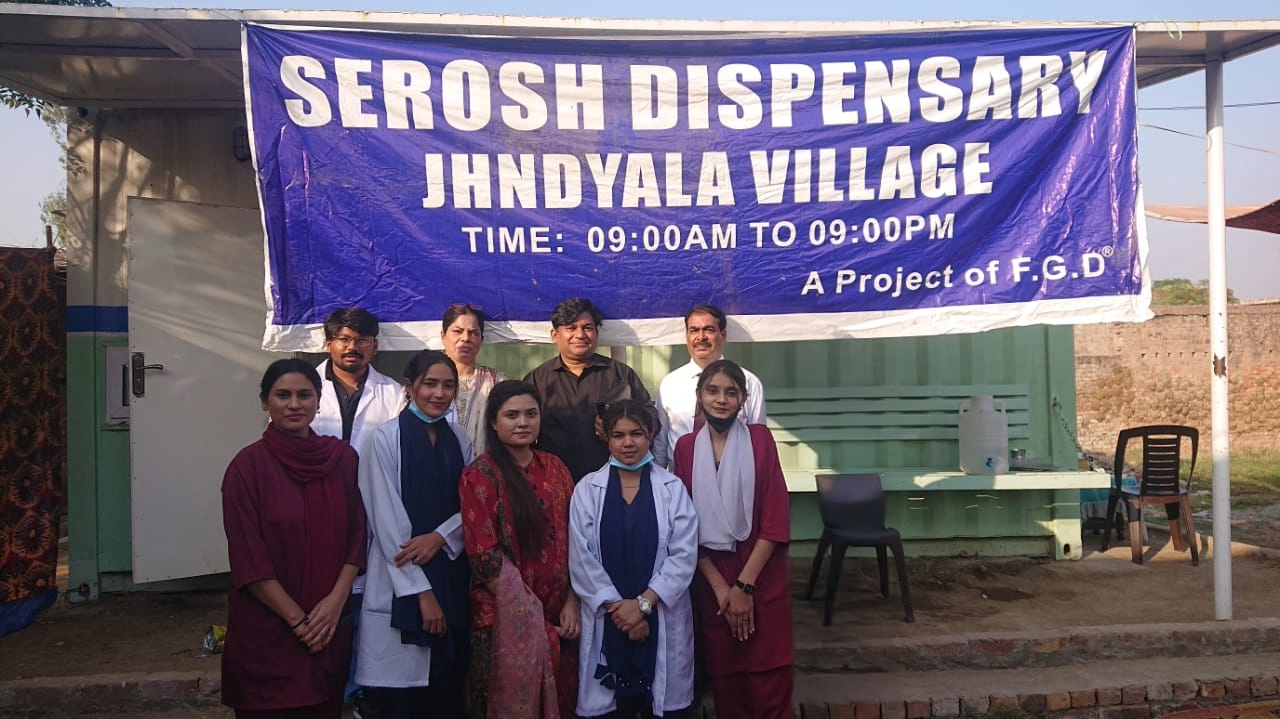
In the intense and unforgiving environment of Jhandyala’s brick kilns—where extreme heat, relentless labor, and generational poverty define everyday life—Serosh Dispensary stands as more than a medical facility. It is the outworking of a vision.

A vision where the Church is not only a place of worship, but a provider.

Serosh Dispensary Jhandyala Village Kiln was intentionally established alongside the Church serving in the same community. This was not coincidence—it was strategy. The dispensary and the Church operate hand in hand, forming a model where spiritual care and physical healing are delivered together, consistently, and within reach of the people.

In a place where illness was once endured in silence, the presence of both the Church and the dispensary has changed the narrative. People no longer have to travel far or hesitate due to cost. They find care, continuity, and compassion within their own community.

This model has now become a defining framework for expansion. Just as Jhandyala Village Kiln Dispensary is paired with the Church serving there, the same vision is being fulfilled in Khaliq Nagar—where the dispensary is not merely another addition, but the completion of this model: the Church as a provider, actively meeting both spiritual and physical needs.

Jhandyala, therefore, is not just a location—it is a blueprint.

A blueprint that proves when the Church steps into the role of provider, transformation becomes tangible. Healthcare becomes accessible. Trust is built. And communities long defined by hardship begin to experience consistent care and renewed hope.

We invite you to go beyond the overview and experience the impact up close. Witness the people, the places, and the moments where healing becomes reality and hope takes form.

Serosh Dispensary Khaliq Nagar

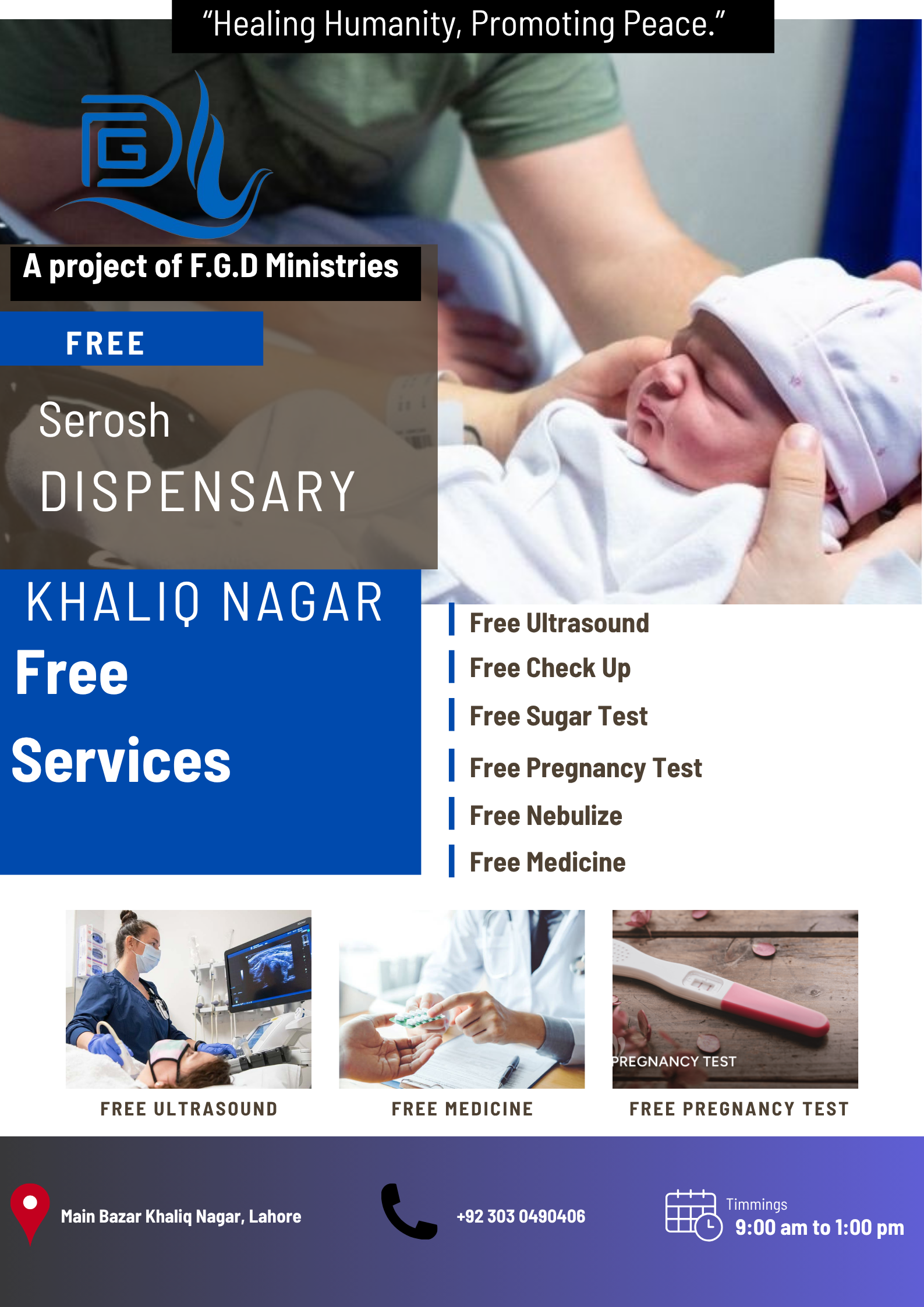
Serosh Dispensary Khaliq Nagar is not merely another free medical facility in a new location—it is the completion of a vision long in the making.

A vision where the Church is not only a place of worship, but a provider. Where faith is not confined within walls, but expressed through tangible care. Where spiritual leadership is matched with physical intervention.

Paired directly with FGD Khaliq Nagar Church, this dispensary embodies that vision in its fullest form. It stands as a living example of what it means for the Church to be present in every dimension of community life—not only preaching hope, but delivering it through consistent, accessible healthcare.

Here, the community does not have to choose between faith and survival. Both are found in one place. The Church becomes more than a gathering—it becomes a lifeline.

We invite you to look closer, to feel the impact, and to witness what happens when care is not occasional—but continuous.

newsletter

Sign up below to receive updates about Free Dispensaries Establishment!

Name

Join us

"Together, we are spreading hope, transforming lives, and building a brighter future through faith and compassion."

Scroll to Top