“Gol Village is not just a place of isolation—it is where persistence meets resistance, and hope refuses to turn back.”
SHafqat Shoukat
Chairman
A Place Cut Off — But Not Forgotten
Gol Village is not easily reached.
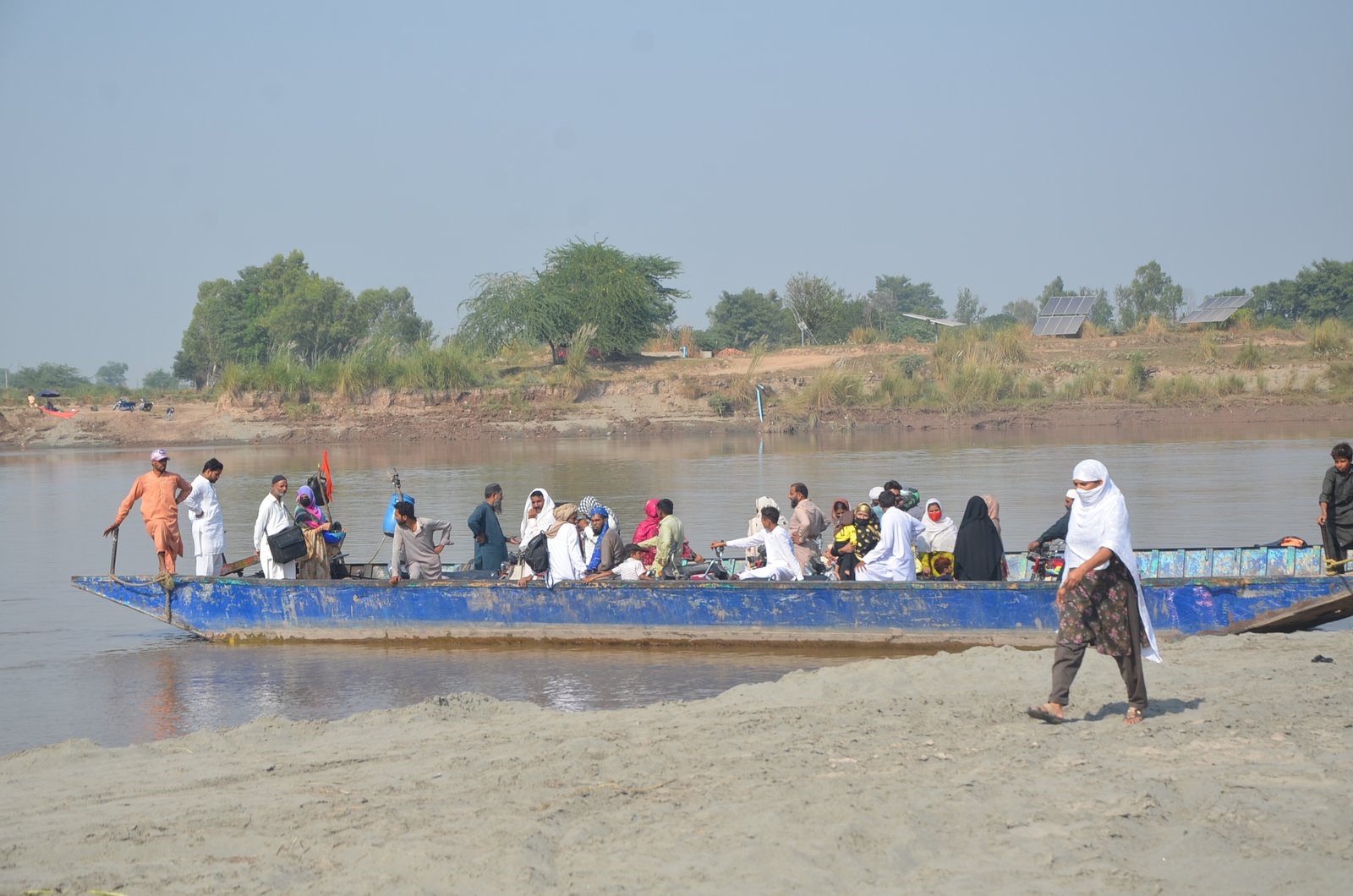
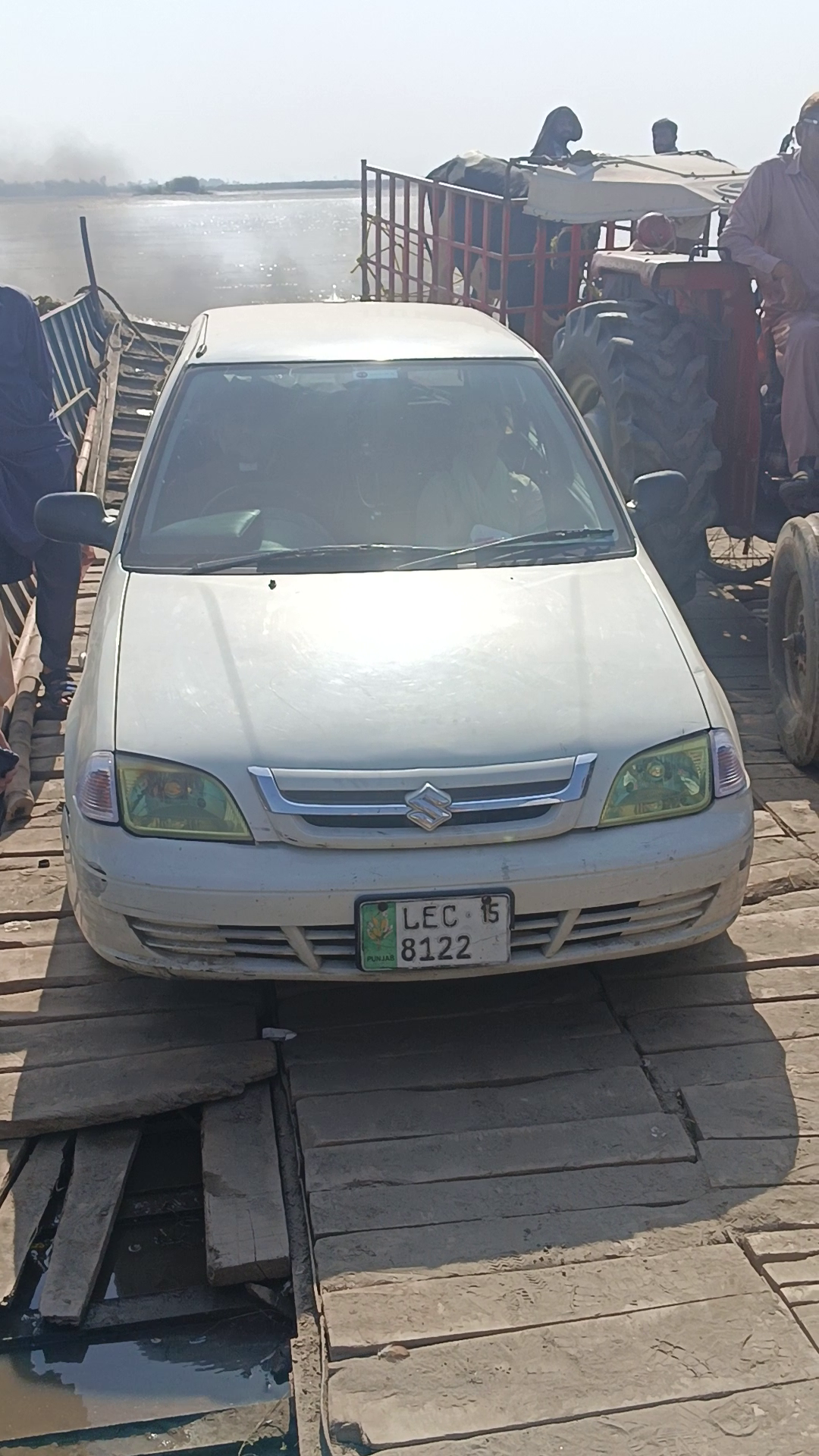
Situated nearly 60 miles (96 km) away, the journey itself tells the story of its isolation. There are no direct roads leading into the community. The only way to reach the village—and the kiln workers who live there—is by crossing a vast lake on a small ferry.
Before you arrive, you already understand: this is a place set apart, cut off, and overlooked.
For years, Gol Village remained untouched by meaningful outreach.
No consistent support.
No sustained presence.
Little to no hope of change.
Until 2017.
When FGD first stepped into Gol Village, it was not with ease—it was with resistance.
The kiln system here is tightly controlled. Owners operate with rigid authority, often opposing any form of outside influence. They fear disruption. They resist change. And above all, they do not want their labor force—or their children—to find a way out of the cycle they are bound to.
Help was not welcomed.
The message of Christ was not accepted.
And access to the people was constantly challenged.
But we did not stop.
We began where we could.
Not with words—but with care.
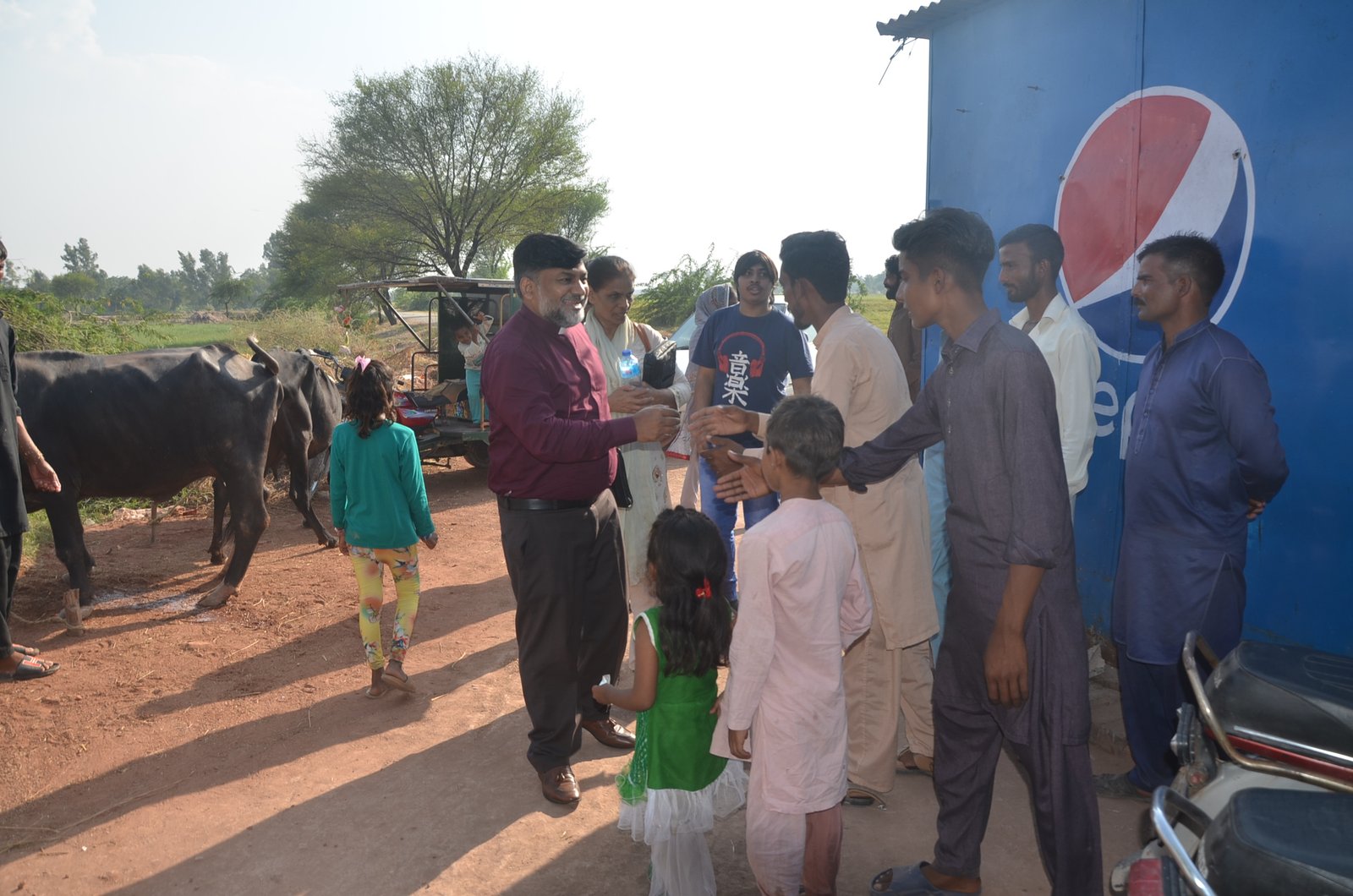
Medical outreach became the first doorway. Treating the sick. Providing basic healthcare. Meeting urgent needs without condition. It was through compassion that trust slowly began to grow.
Visit by visit, presence after presence, something started to shift.
Even when doors were closed, we returned.
Even when resistance remained, we stayed consistent.
Because transformation in places like Gol Village does not come quickly—it comes through persistence.
In 2020, something changed.
After years of consistent presence and service, the resistance that once blocked us began to give way. The same authority that once opposed us finally allowed space for deeper engagement.
It was not sudden.
It was not easy.
But it was a breakthrough.
And from that moment, everything began to move forward.
Gol Village is more than a location—it is a picture of what it means to reach the unreachable.
A place cut off by geography.
A community bound by control.
A system designed to keep people from ever moving forward.
Yet even here, change has begun.
Because when compassion persists…
When presence remains…
When hope refuses to leave…
Even the most isolated places can be reached.
Today, Gol Village continues to be one of the most challenging and meaningful areas of our work.
Every visit requires effort.
Every step forward requires endurance.
Every life touched is a reminder of why we go.
This is not easy ground.
But it is necessary ground.
And we will continue to cross the waters, step into resistance, and stand with the people of Gol Village—
Until isolation no longer defines them.
Our vision is the freedom of generations bound in cycles of labor and inherited limitation within the Gol Village kiln community.
The present is given freedom; the next generation is given purpose and opportunity.
In a place as isolated as Gol Village—where access itself is a challenge and systems of control run deep—this vision carries even greater weight.
Because here, freedom is not easily imagined.
It is not something that can simply be handed out—it must be built, nurtured, and sustained over time. True freedom is never bought; it is established through transformation, access, and a renewed sense of identity.
That is why FGD Ministries steps in.
We do not come only to respond to today’s need—we come to reshape tomorrow’s reality, even in the most unreachable places.
Our mission is to break the cycle at its very root. While we stand with the present generation—bringing care, consistency, and intervention—we invest deeply in the next generation through education, guidance, and life-giving opportunities.
Because when a child in Gol Village is given the chance to learn, to grow, and to see beyond survival, everything begins to change.
Education becomes the doorway.
Opportunity becomes the bridge.
And dignity becomes the foundation for a different future.
Our vision is not temporary relief—it is lasting transformation.
A generation set free, and another raised with purpose—equipped, empowered, and able to walk a path that never leads back to the same cycle again.
This is the vision for Gol Village Kiln.
From Bricks in Their Hands to Books in Their Future
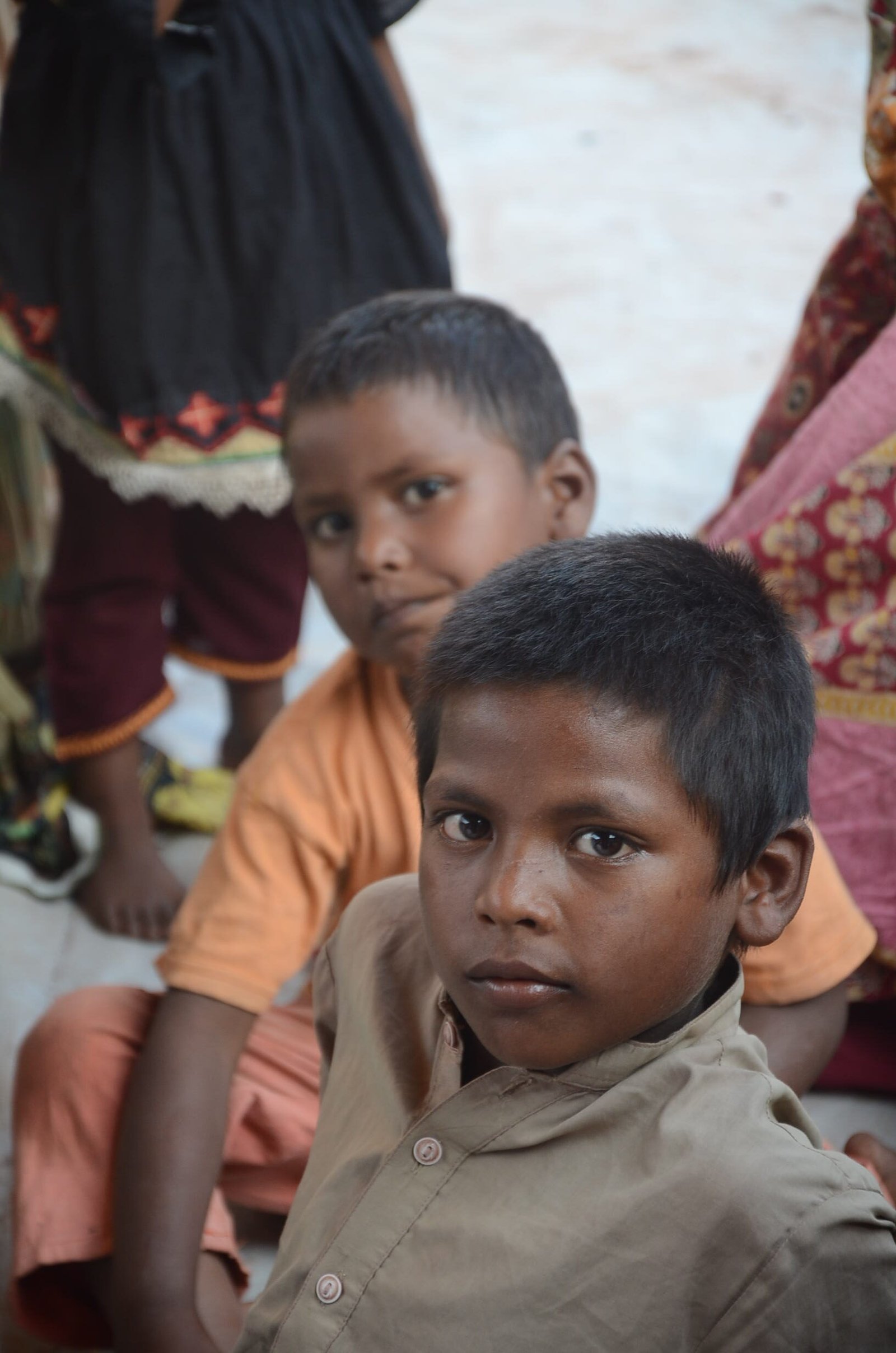
In Gol Village, childhood is often replaced with labor.
Children grow up in the kiln environment, surrounded by heat, dust, and responsibility far beyond their years. Instead of classrooms, they learn to mold bricks. Instead of books, they carry the weight of survival.
For many, education is not just inaccessible—it is unimaginable.
One of the greatest challenges in Gol Village is not just the lack of schools—it is the system that keeps children within the cycle of labor.
Families depend on every working hand.
Opportunities are limited.
And the idea of education feels distant from daily reality.
But change begins with one step.
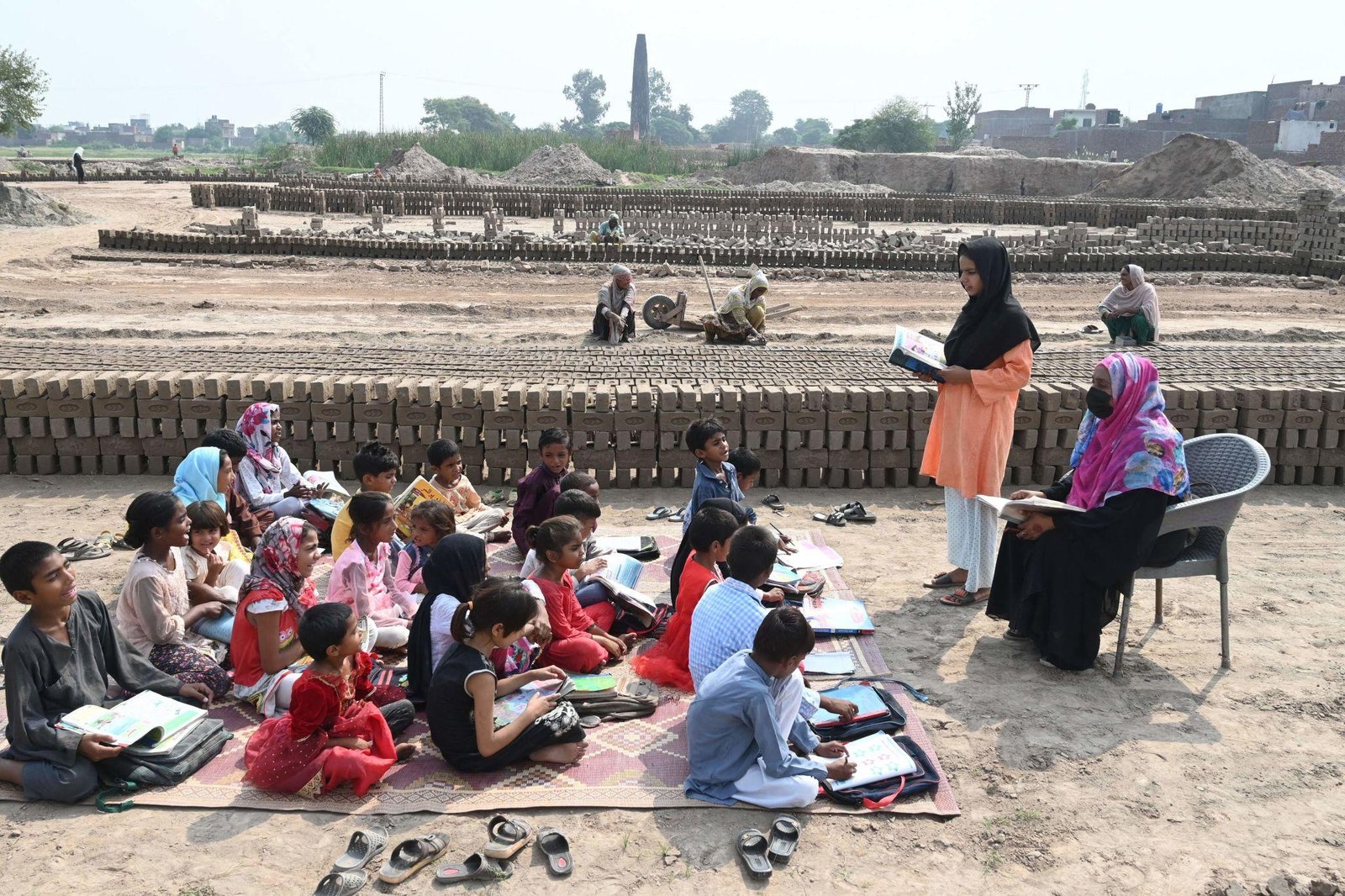
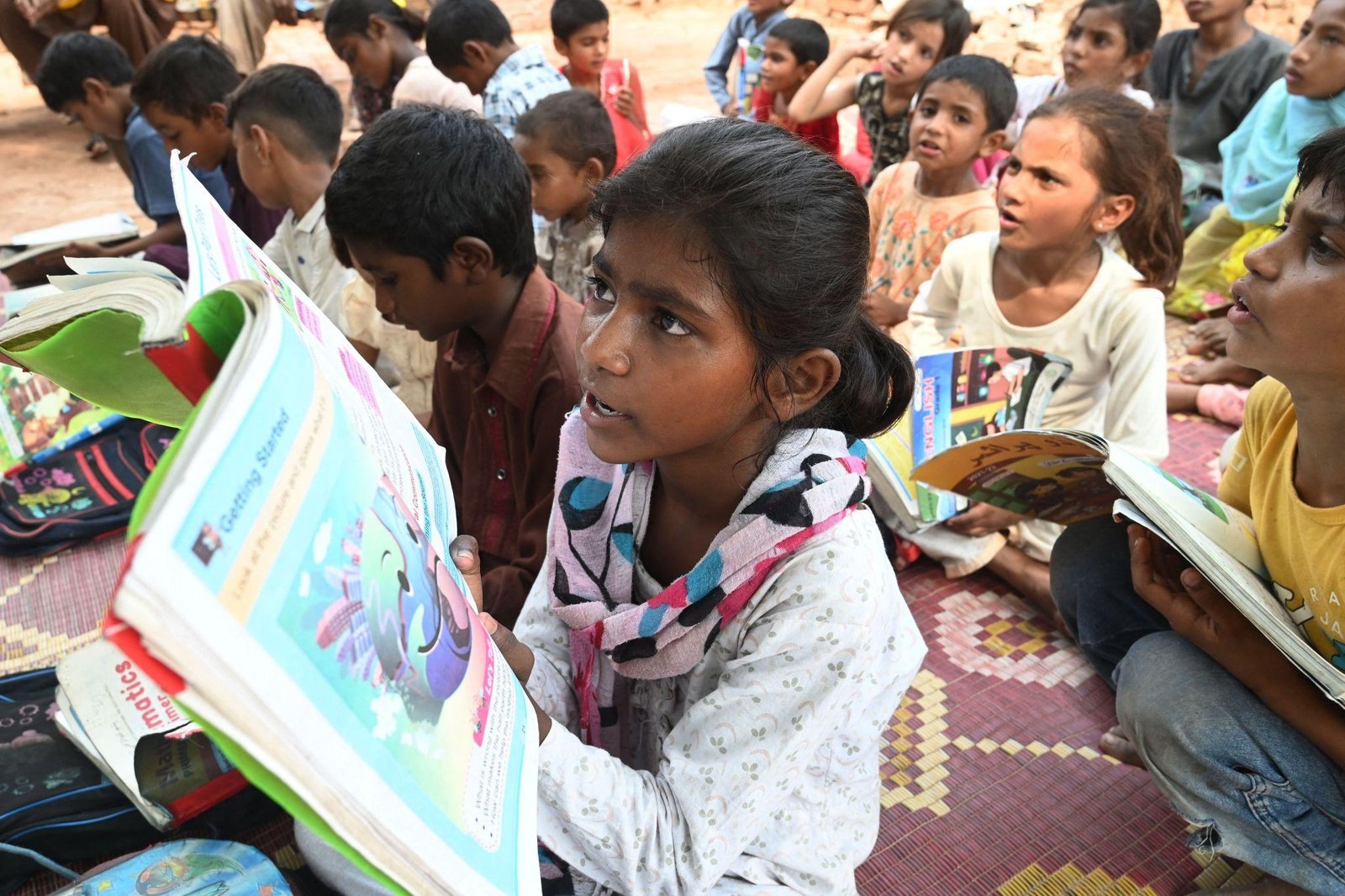
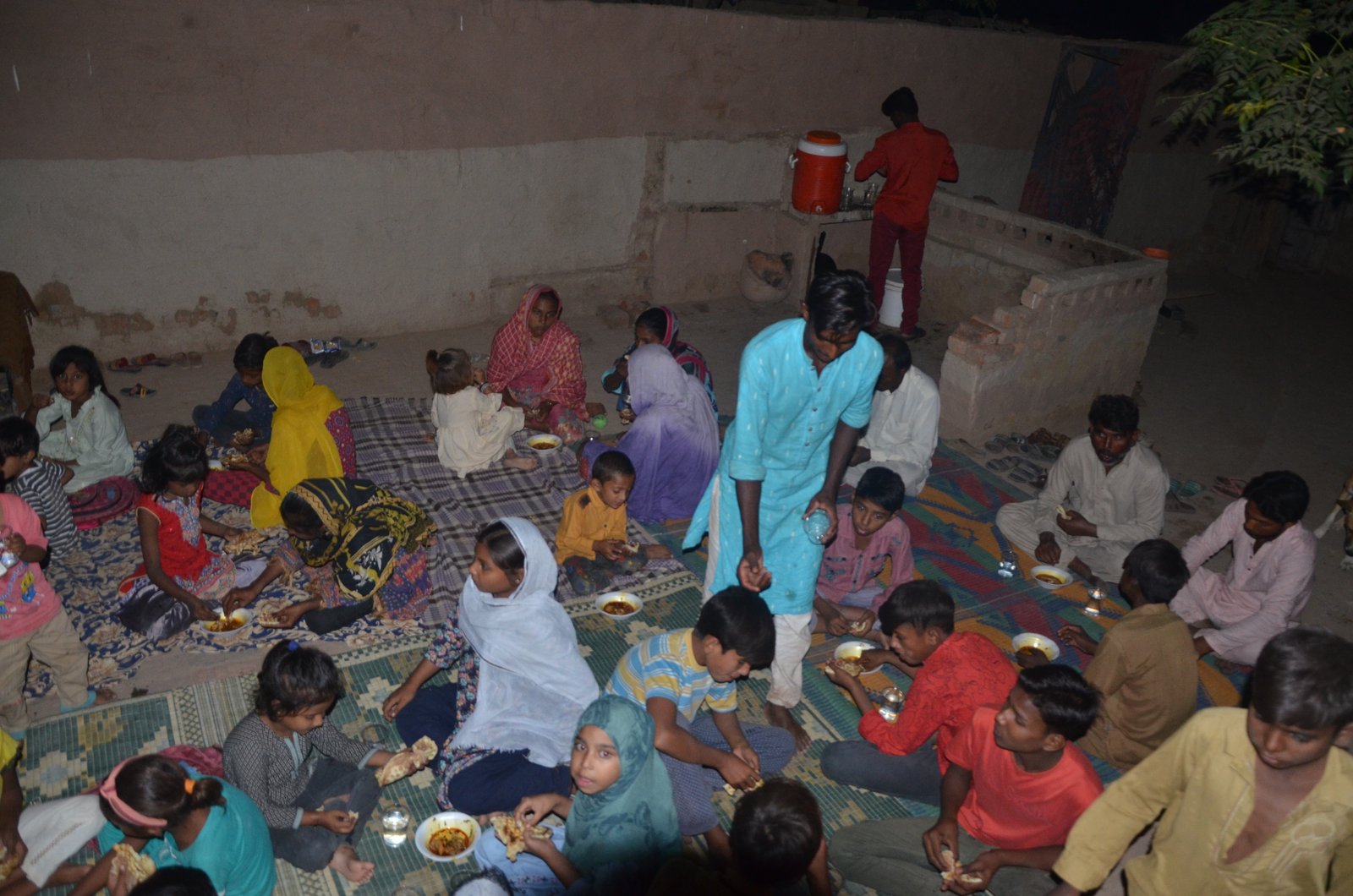
We gather children where they are.
We sit with them.
And we begin with the basics—teaching them how to read, how to write, how to think beyond what they have always known.
For many, it is the first time they hold a pencil.
The first time they hear that their future can be different.
Education in Gol Village is not just about literacy—it is about restoration.
It is about helping children rediscover their identity beyond labor.
It is about giving them the confidence to dream.
It is about showing them that they are not defined by where they were born.
Every lesson becomes a seed.
Every word learned becomes a step forward.
Every moment spent learning becomes a break in the cycle.
Our vision is not limited to informal teaching—it is a step toward something greater.
We are working toward creating consistent learning environments where children can grow with structure, support, and continuity.
A place where:
Because real transformation happens when learning is sustained.
Even with limited resources, change is already visible.
Children who once spent their days in the kiln are now learning to read.
Young minds are opening to new possibilities.
A different future is beginning to take shape.
These are small beginnings—but they carry generational impact.
When a child in Gol Village is given access to education, everything changes.
The cycle begins to weaken.
The future begins to expand.
And hope becomes something real.
Because education is not just knowledge—
It is freedom in its earliest form.
We believe in a day when children in Gol Village will not inherit the same life they were born into.
A day when their hands are not shaped by bricks—but by purpose.
A day when their identity is not defined by limitation—but by opportunity.
Until that day comes, we will continue to teach, to invest, and to stand with them.
Because every child deserves more than survival.
They deserve a future.
Crossing Waters to Bring Care Where It’s Needed Most
Reaching Gol Village has never been simple.
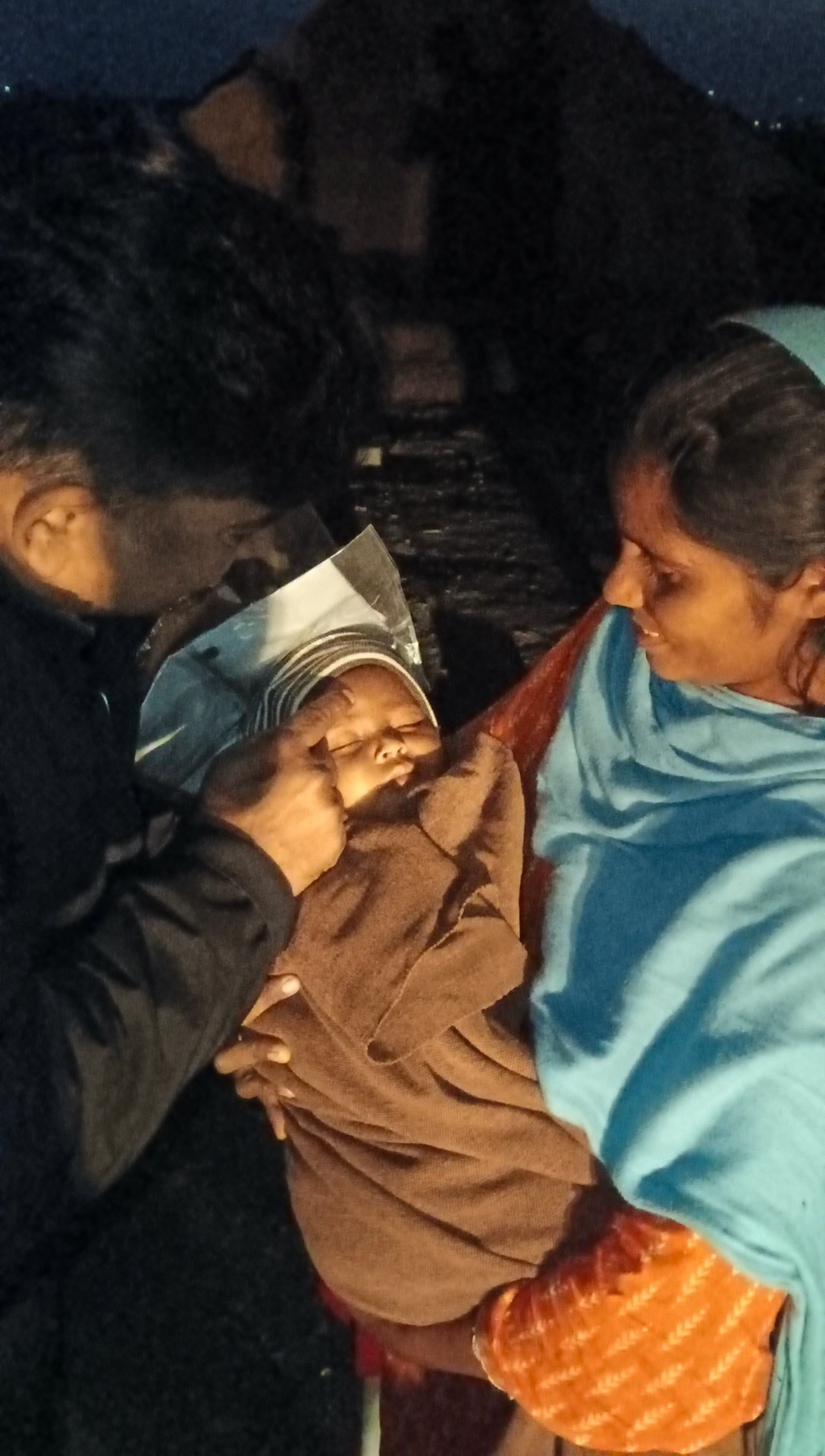
Separated by distance and a lake that must be crossed by ferry, access to even the most basic healthcare has always been limited. For years, families in the kiln community lived without consistent medical support—left to face illness, injury, and emergencies on their own.
This is where medical outreach became the beginning
Note: You may notice overlapping photos, as outreach efforts and services often extend across both Gol Village and Jhandyala Village Kilns.
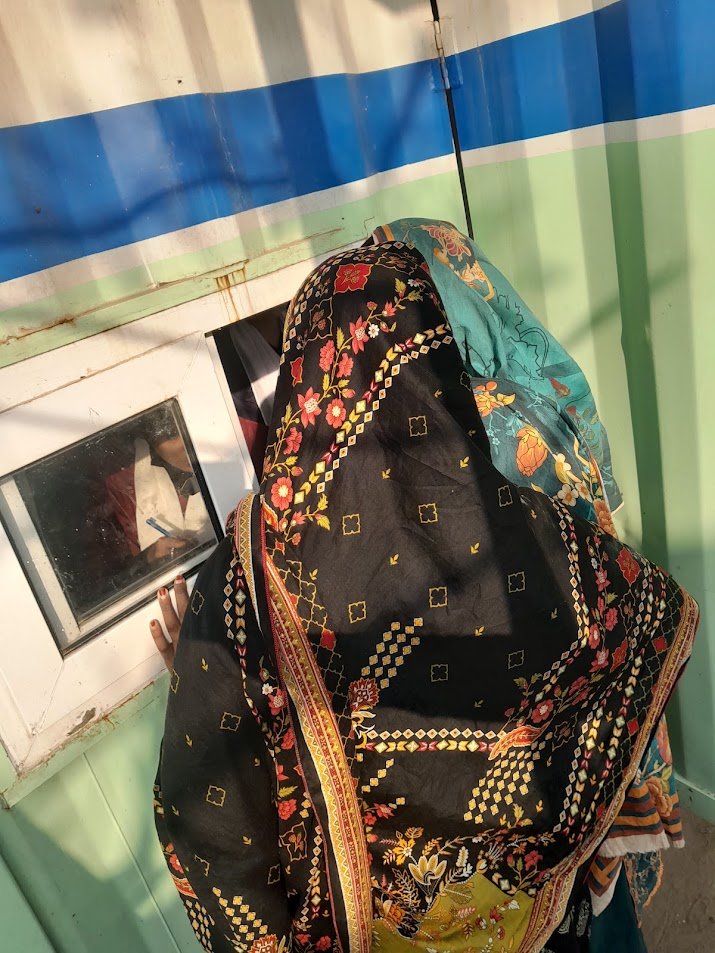
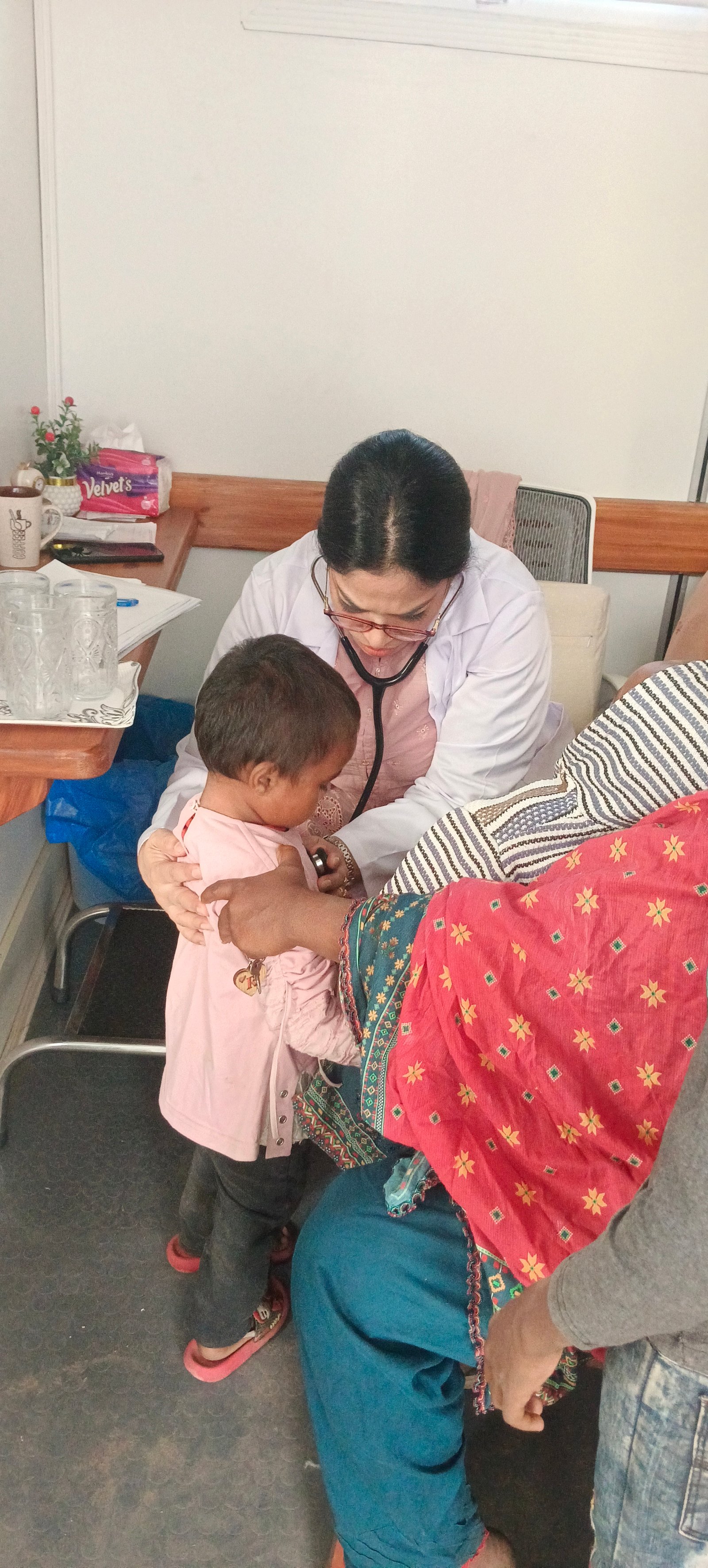
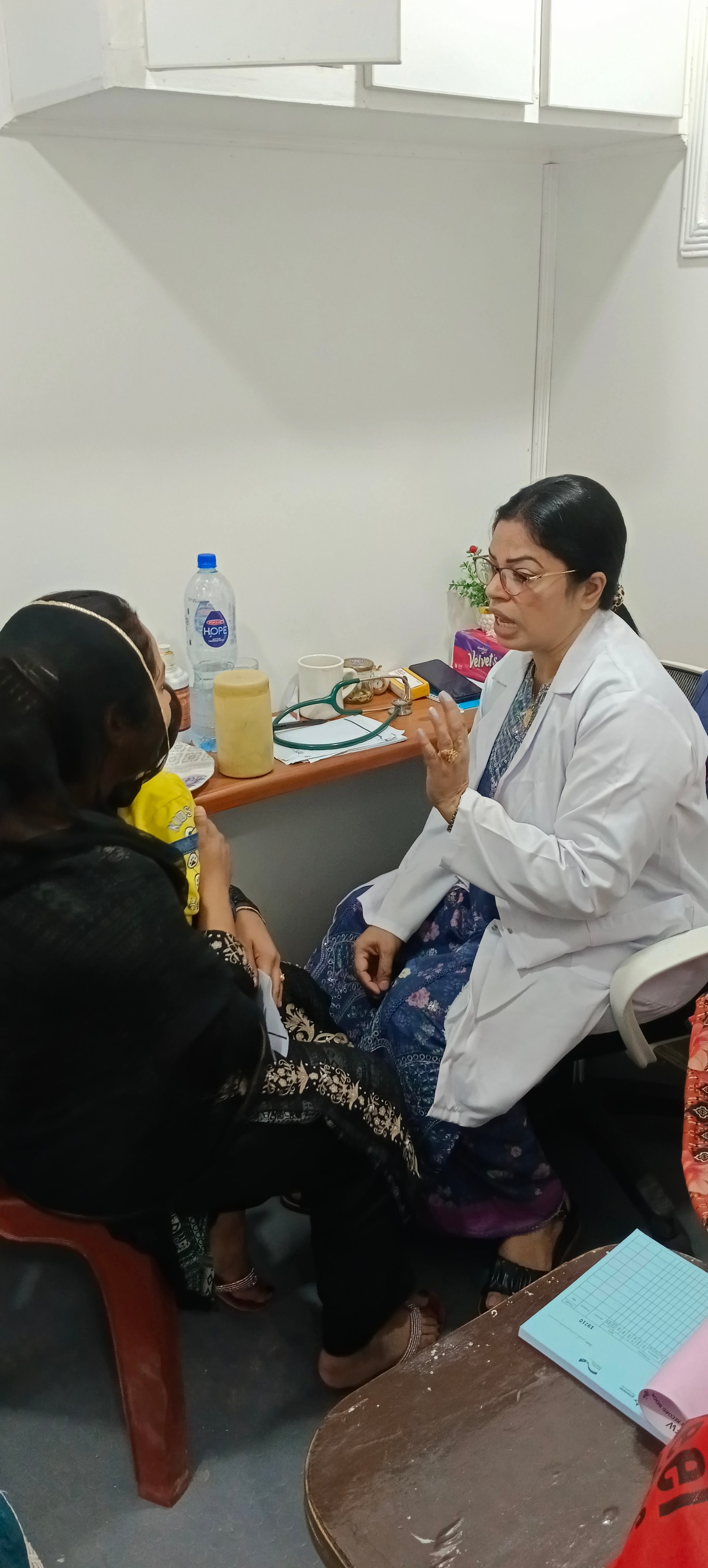
Before any long-term structure was in place, medical camps were the doorway into Gol Village.
Through consistent outreach, we began to serve the community—treating the sick, providing essential medicines, and responding to urgent needs. These visits were more than healthcare; they became the foundation for trust, presence, and eventual breakthrough.
Even in the face of resistance, we continued.
Because sometimes, healing opens doors that words cannot.
Gol Village is located just 6 kilometers (3.8 miles) from the Serosh Dispensary in Jhandyala Village Kiln.
Today, this dispensary has become the primary source of healthcare for the Gol Village community. Patients travel across difficult terrain and water access routes to receive treatment, consultation, and care.
It is a vital lifeline.
But it is not without limitations.
Access to healthcare is still fragile.
After sunset, crossing the lake becomes nearly impossible.
The ferry cannot operate safely in the dark due to low visibility.
Emergencies at night often go untreated until morning.
What should be a basic right—24-hour access to care—remains out of reach.
And in critical moments, delay can mean the difference between life and loss.
Although the Jhandyala Dispensary now serves as the primary healthcare point, our work in Gol Village is not finished.
Medical camps will continue.
Outreach will continue.
Presence will continue.
Because one solution does not remove the need—it reveals how much more is required.
The need in Gol Village is clear.
A properly established dispensary within or near the kiln community.
A place where care is available not just during the day—but at all hours.
A facility that removes the barrier of distance and water.
And alongside it, a school—so that the next generation does not grow up in the same limitations.
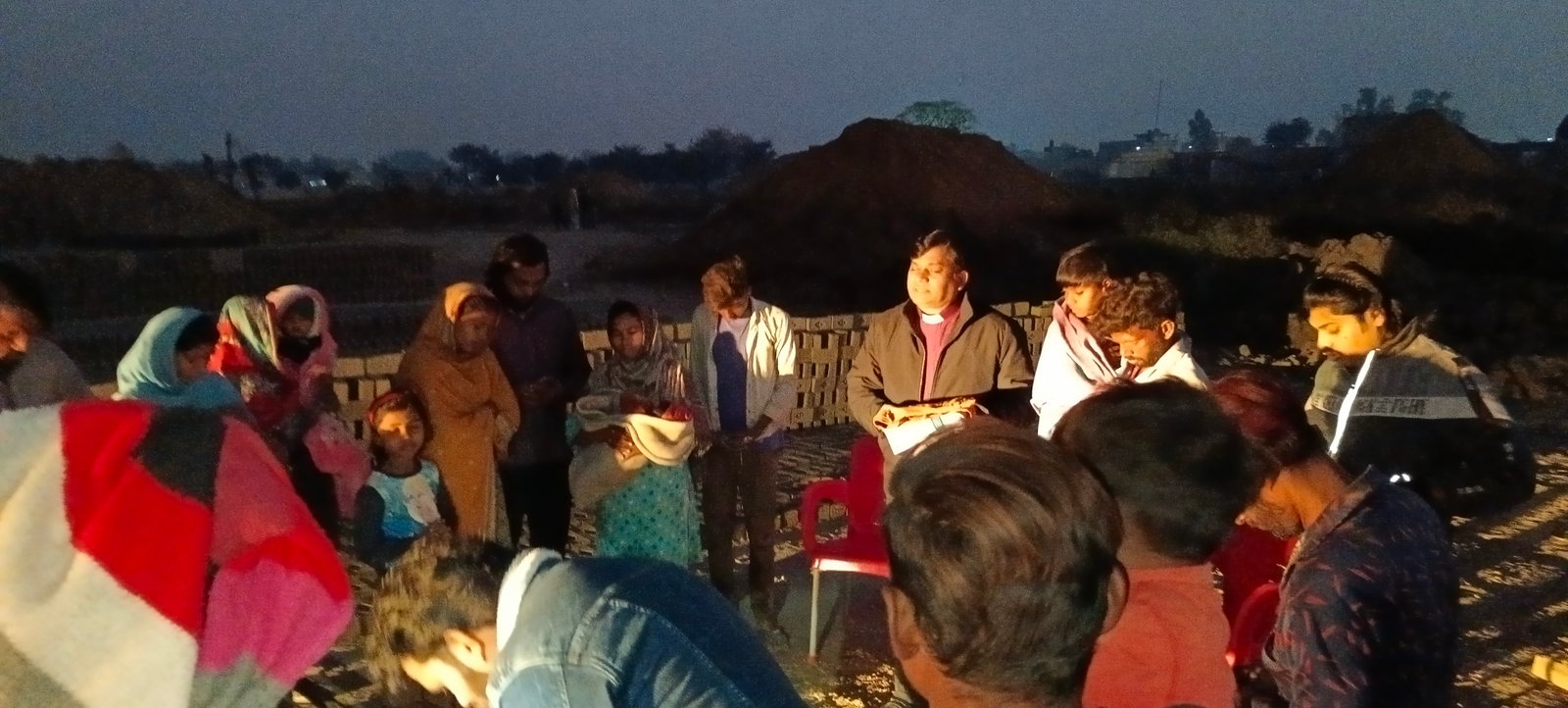
We ask for your prayers.
Pray for the establishment of a school in Gol Village.
Pray for the opening of a dedicated dispensary within the kiln community.
Pray for access, provision, and protection for those we serve.
Because this is more than infrastructure—
It is about saving lives.
It is about restoring dignity.
It is about making sure that no one is left without help when they need it most.
Until that day comes, we will continue to cross the waters.
We will continue to show up.
We will continue to serve.
Because even in the most isolated places—
Care must reach.
And hope must remain.
Restoring Dignity Through Simple Care
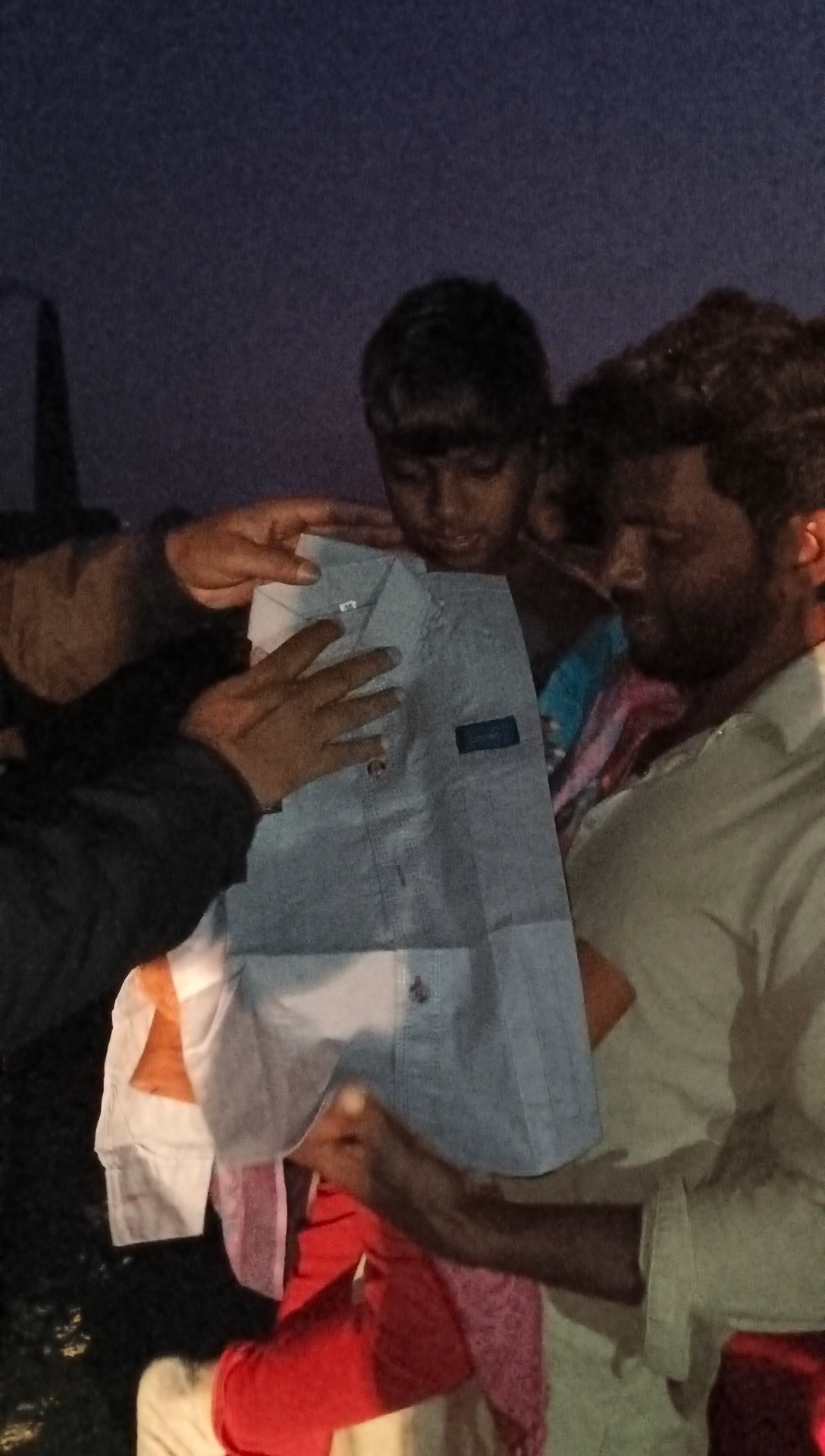
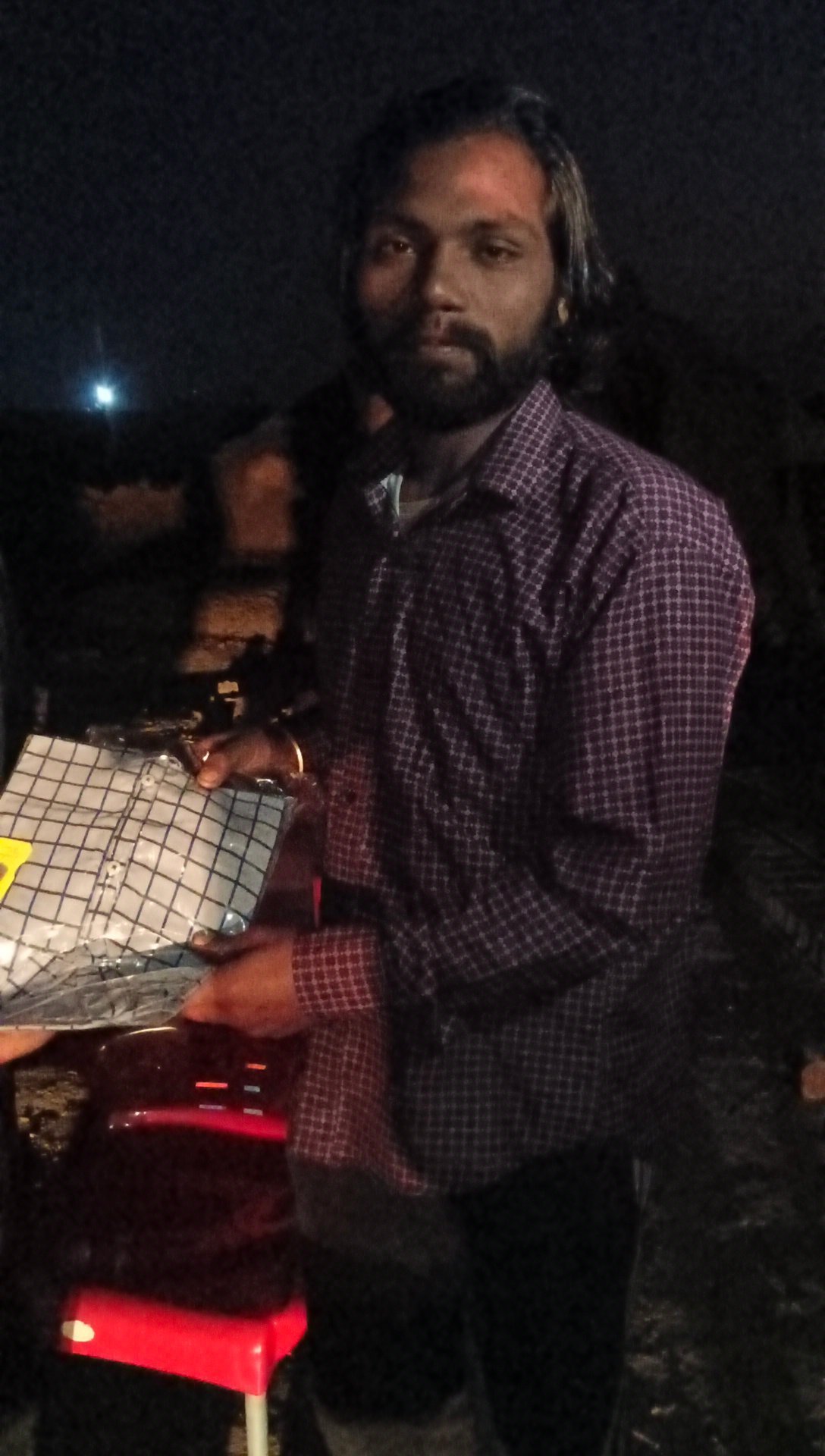
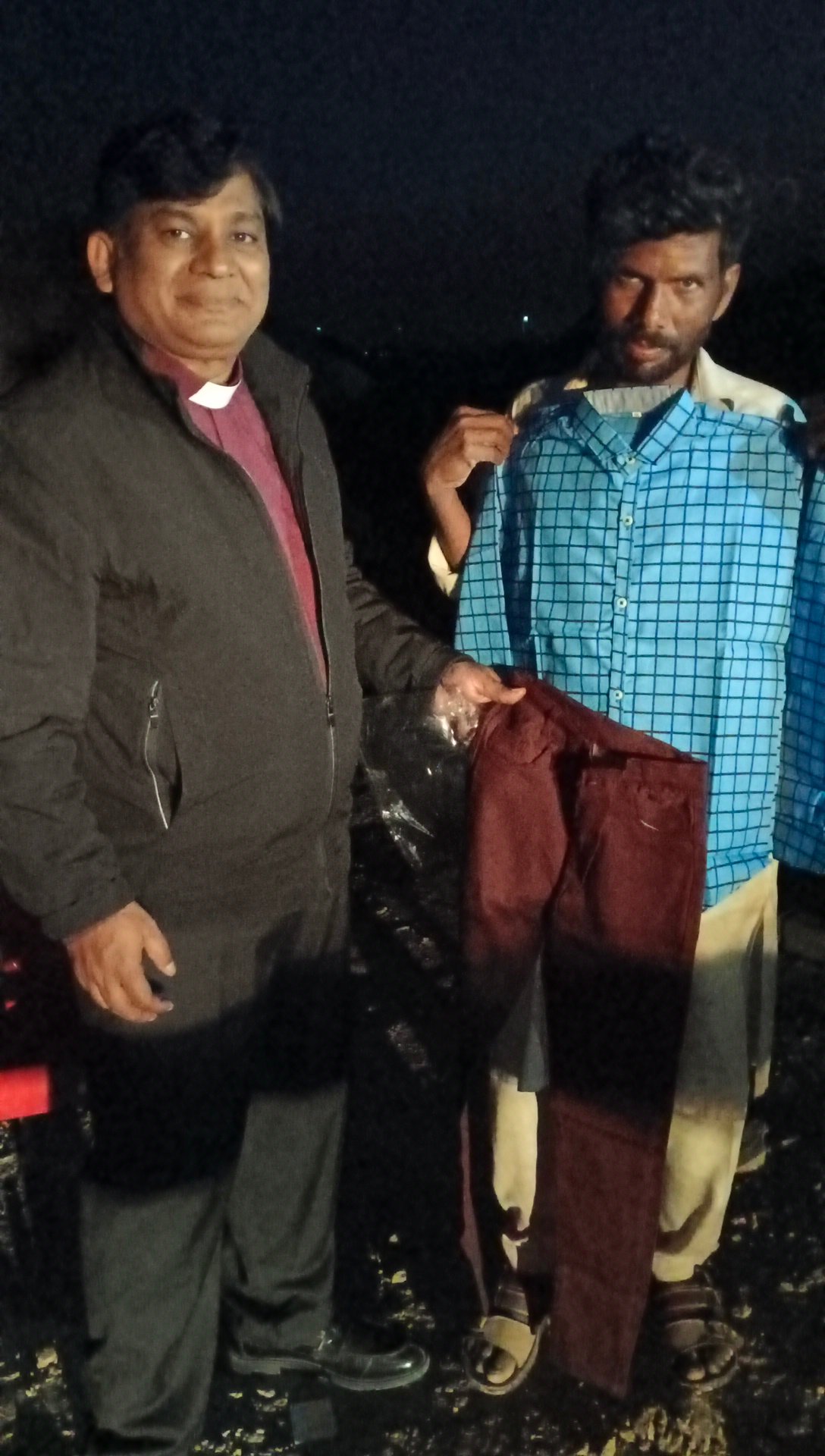
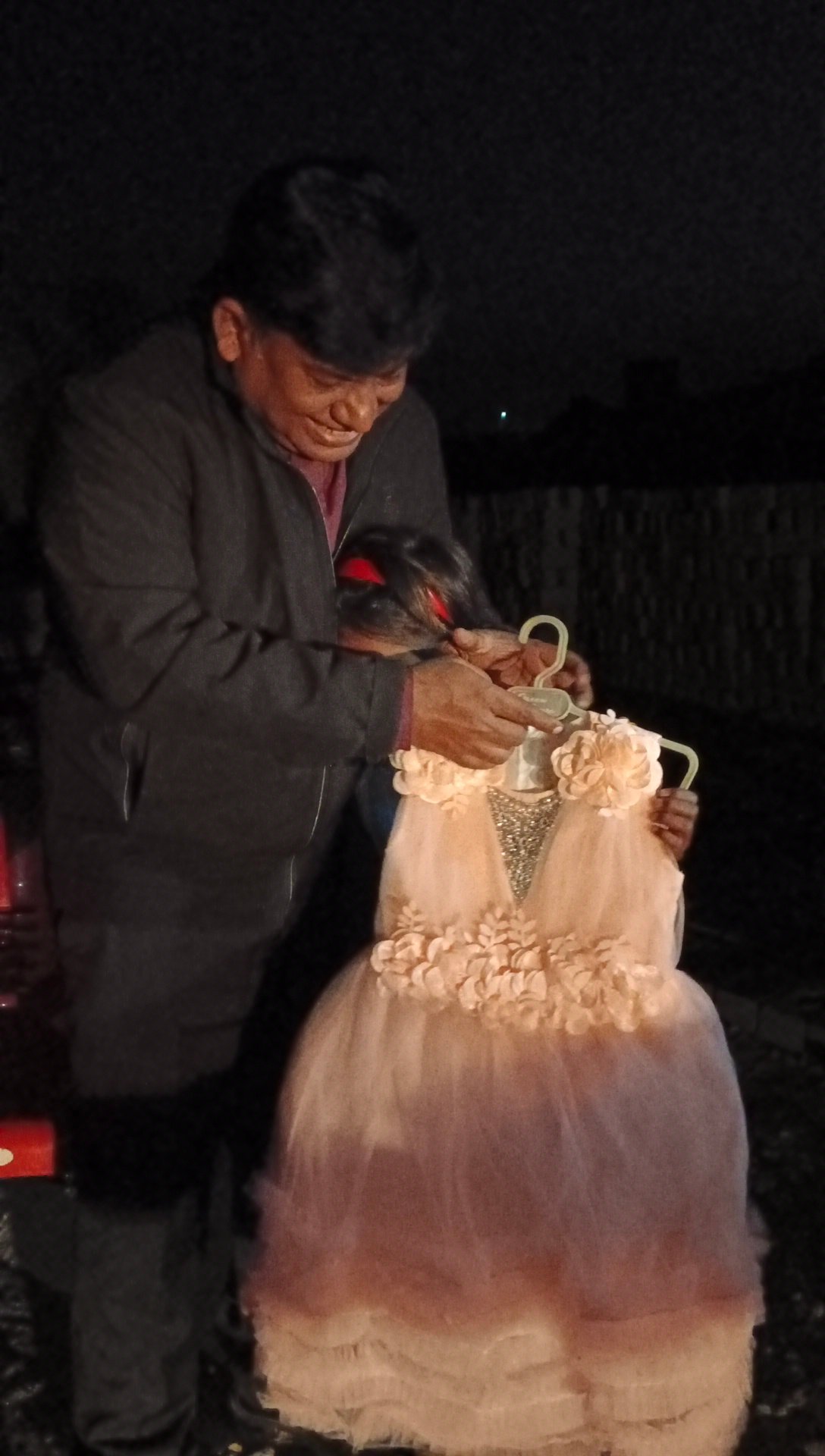
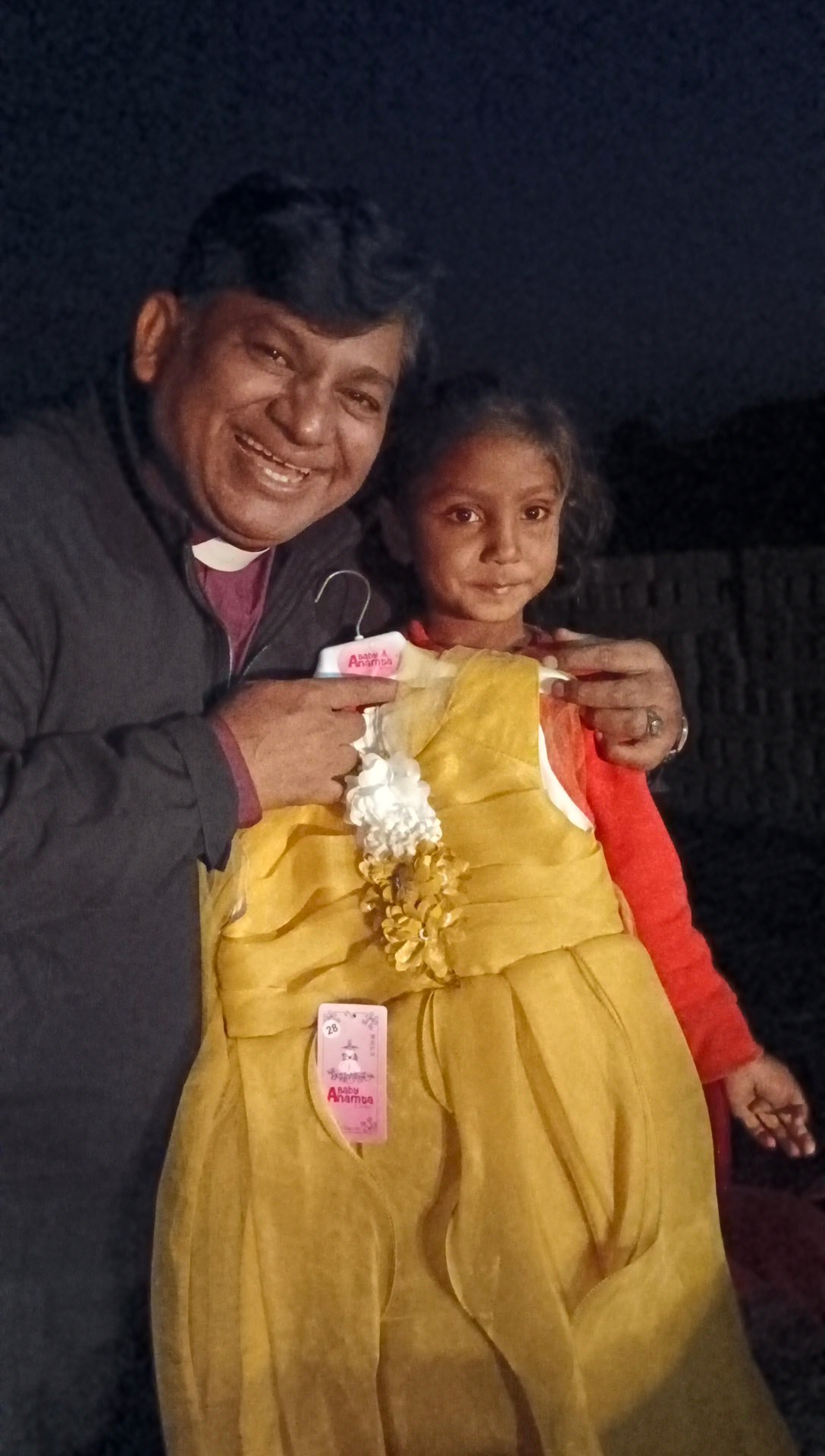
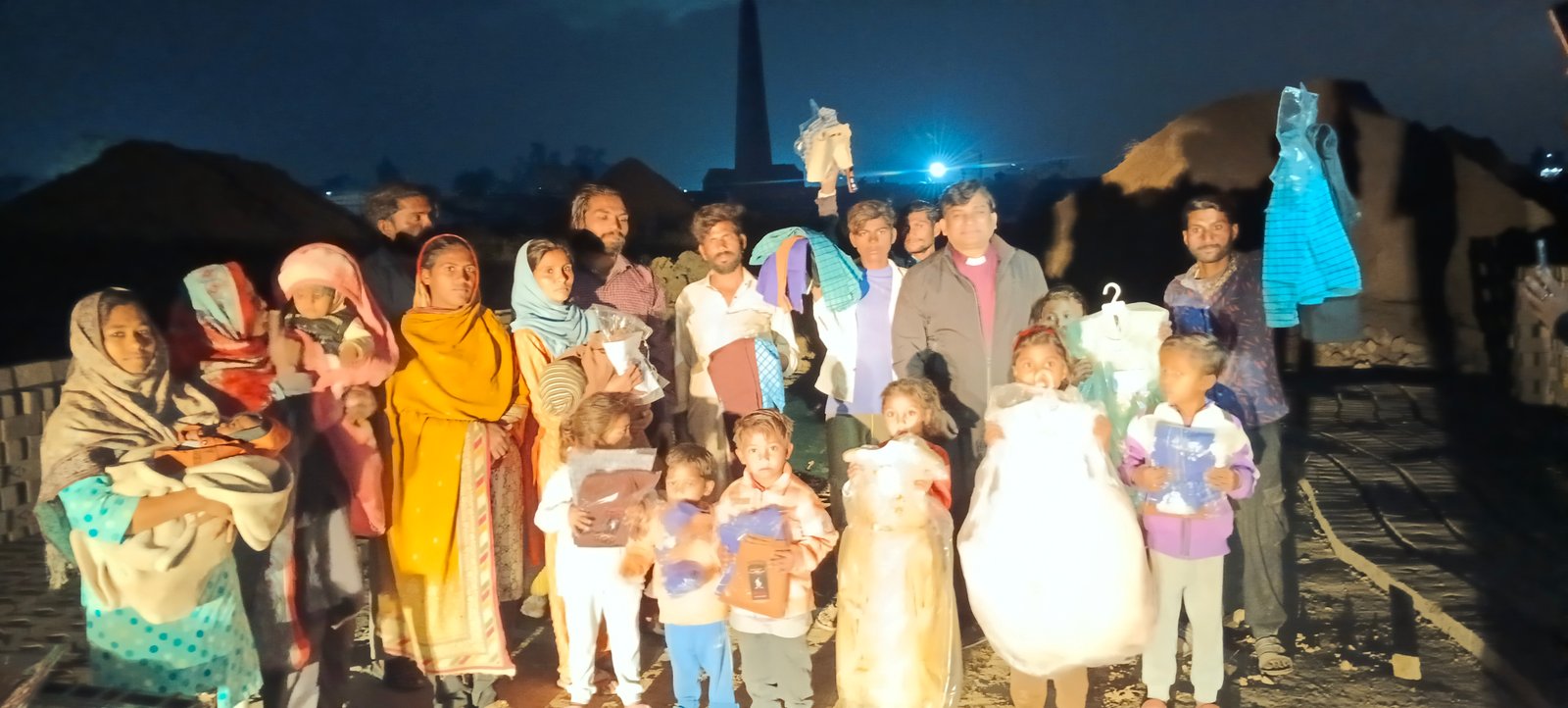
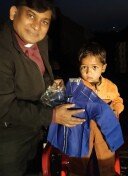
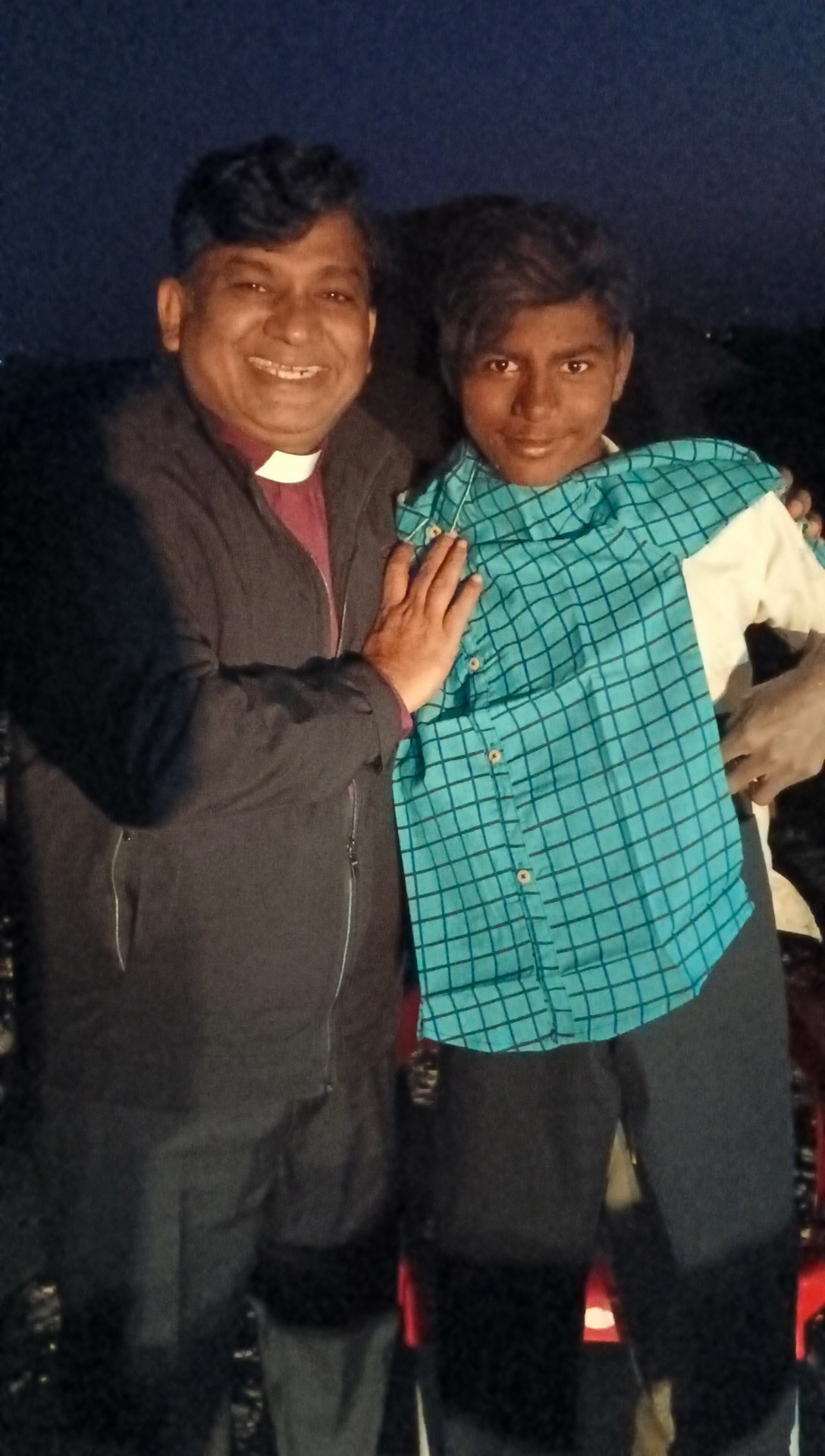
In Gol Village, clothing is not a luxury—it is a need.
Families often wear worn-out garments passed down over time, and children face extreme conditions with little protection. Through clothes distribution, we meet one of the most immediate and visible needs in the community.
What may seem simple carries deep impact.
A child receives confidence.
A family feels seen.
A community experiences care.
Every distribution requires effort—crossing the lake, carrying supplies, and returning consistently. But we go because the need remains.
This is more than giving clothes.
It is restoring dignity, reminding people they are not forgotten, and standing with them in both the small and significant ways.
And we will continue.
Distance, water barriers, and lack of local facilities mean urgent care is often delayed—especially at night when the ferry cannot operate.
Children have little to no access to books, teachers, or structured learning environments—leaving them with limited opportunities to grow beyond the cycle of labor.
Families continue to struggle with essentials—clothing, nutrition, and stability—keeping them bound in generational hardship.
This is not just a need—it is an opportunity to transform a forgotten place.
Stand with us. Pray with us. Support the mission.
Because together, we can bring care closer, create access to education, and restore dignity where it is needed most.