Initiative History
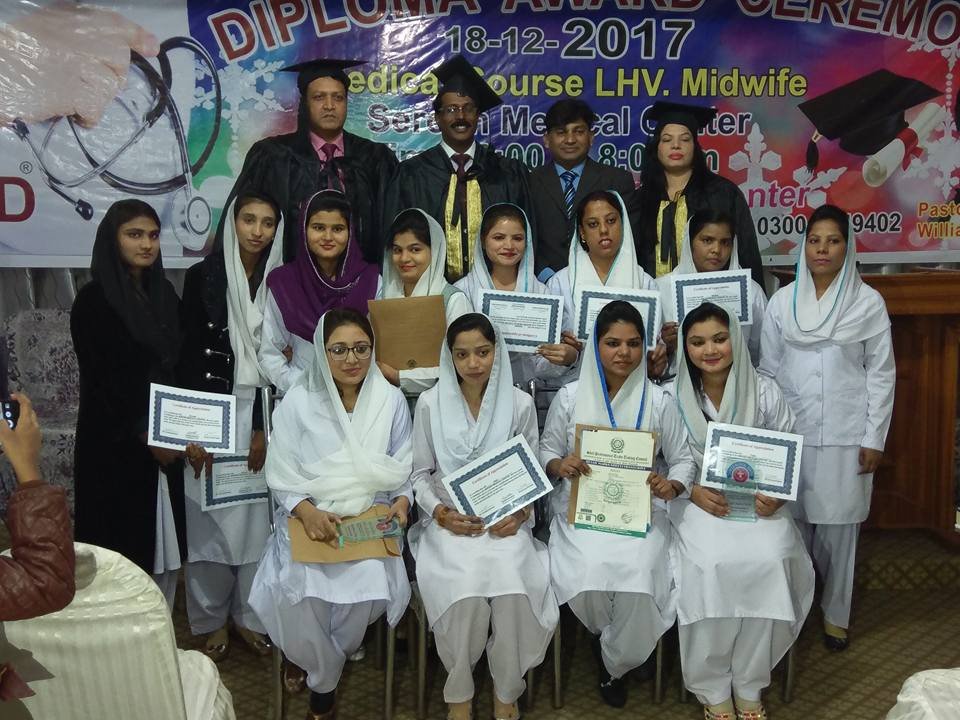
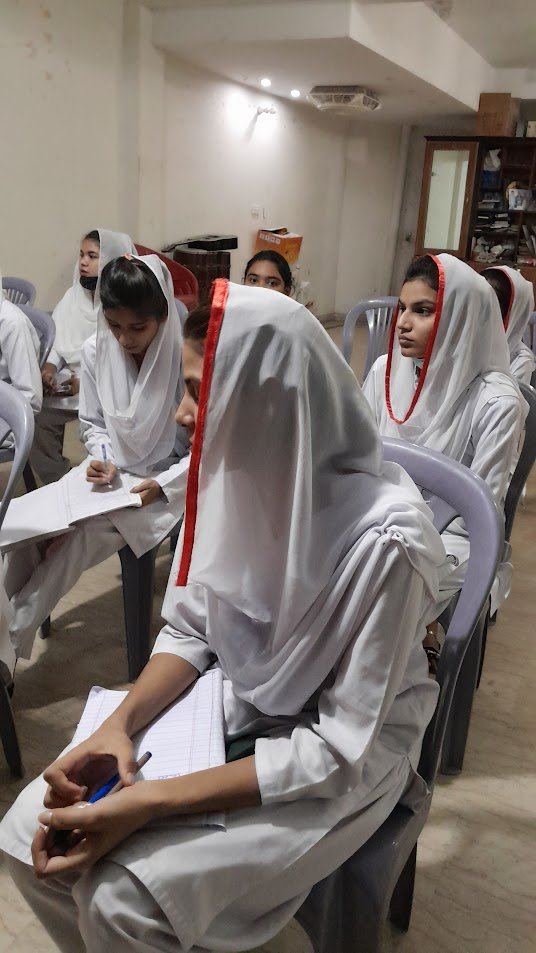
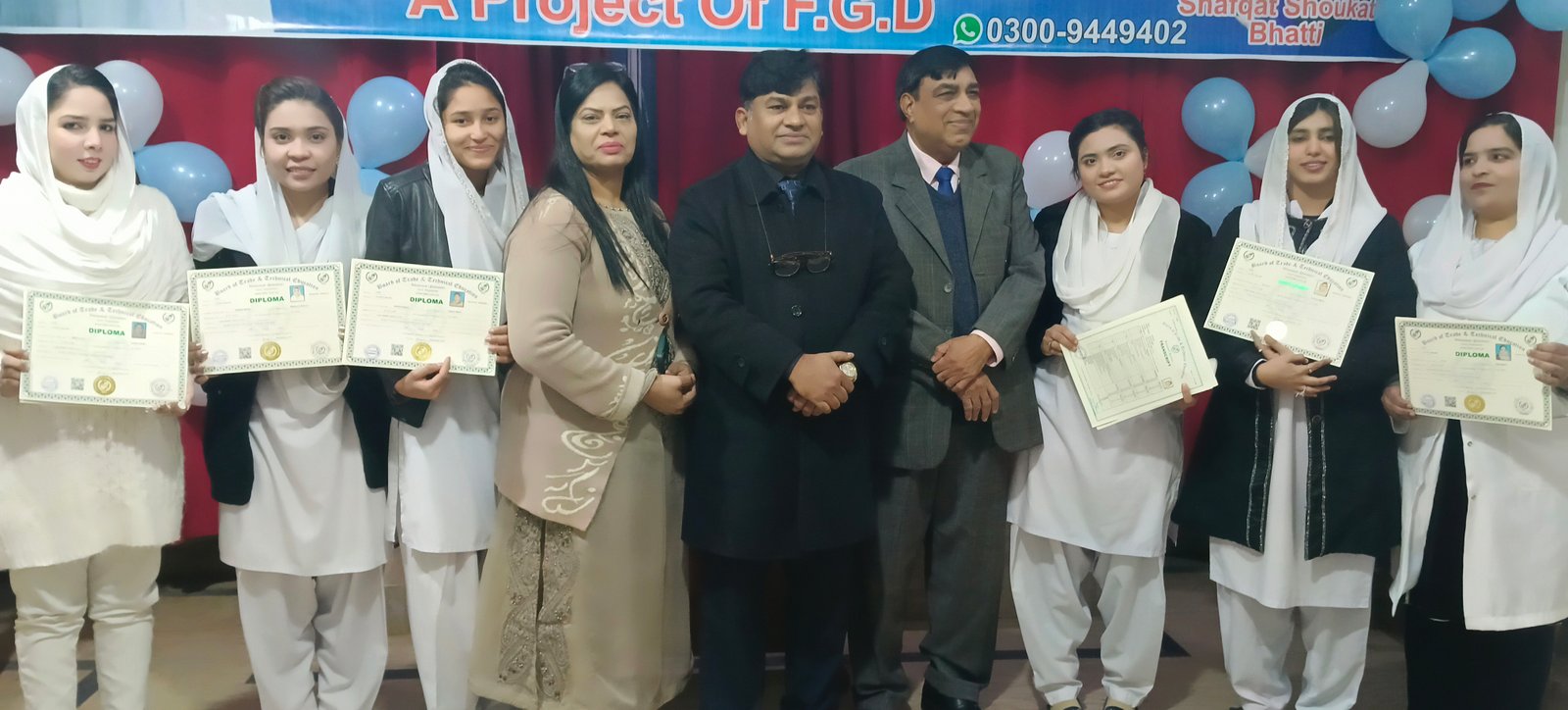
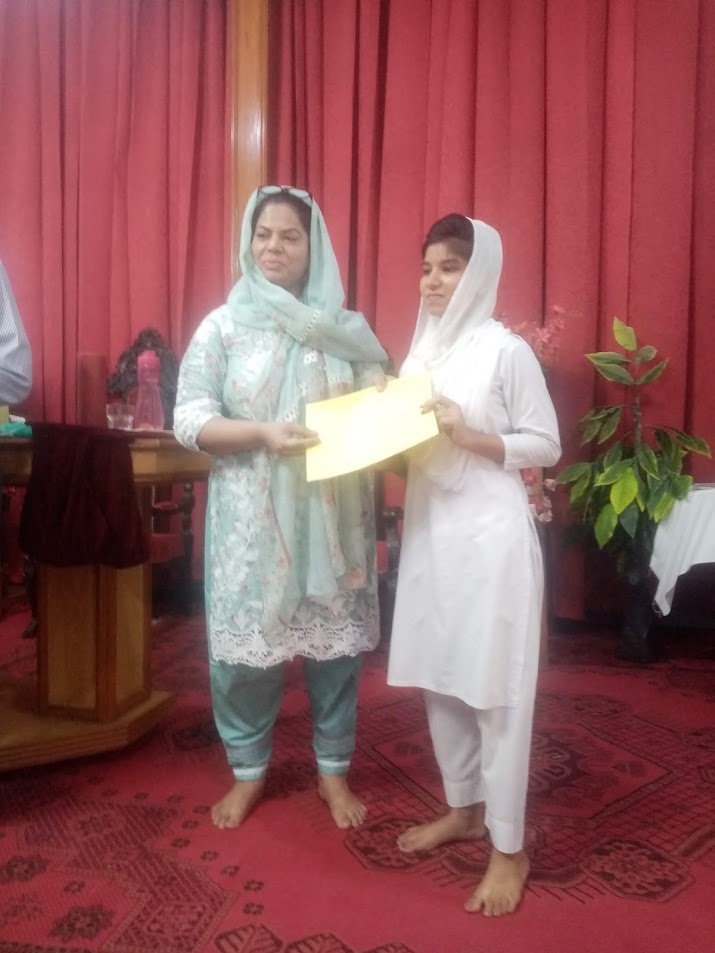
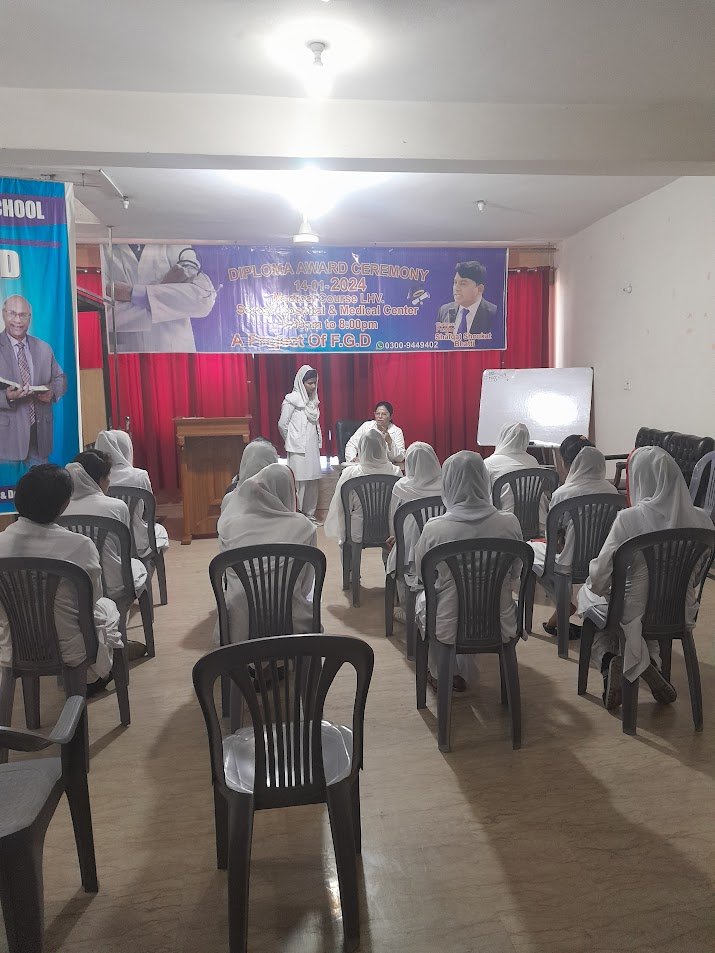
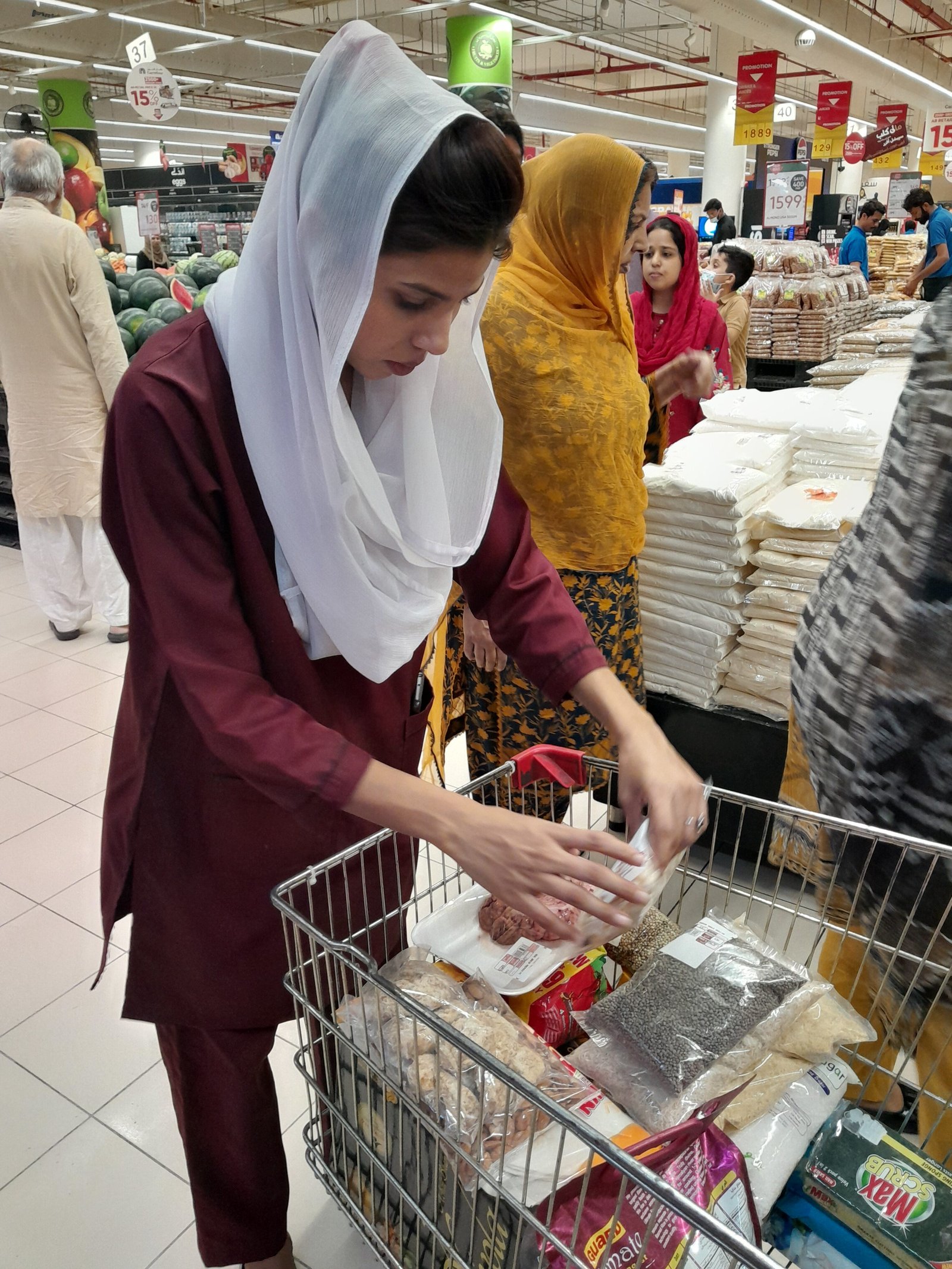
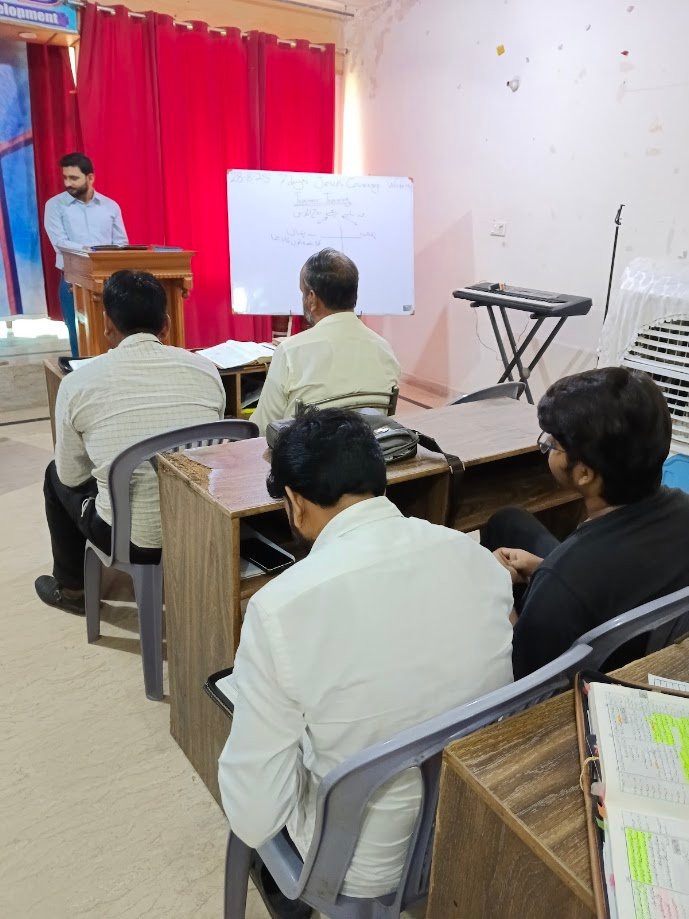
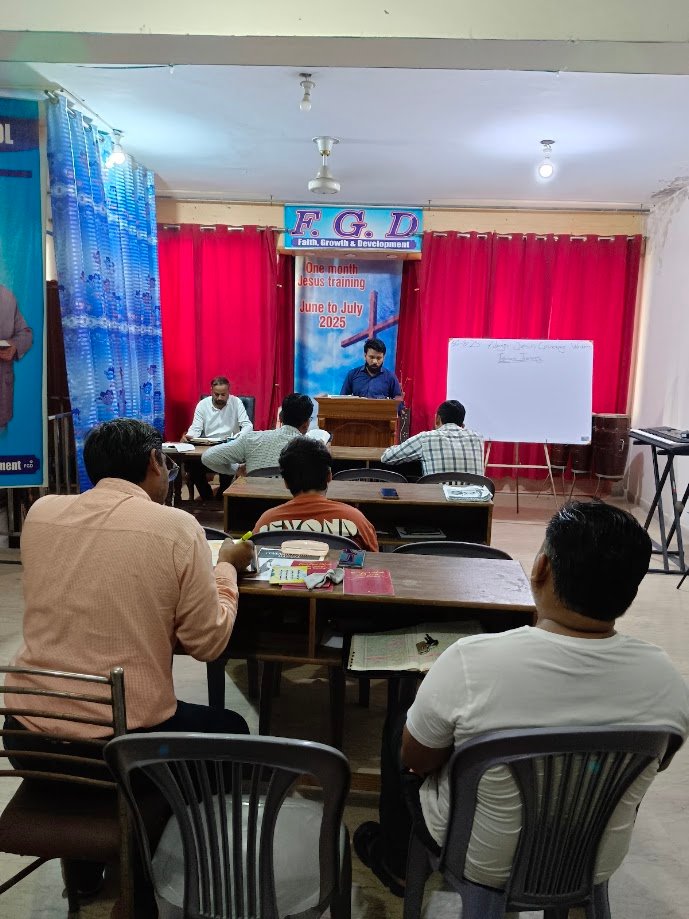
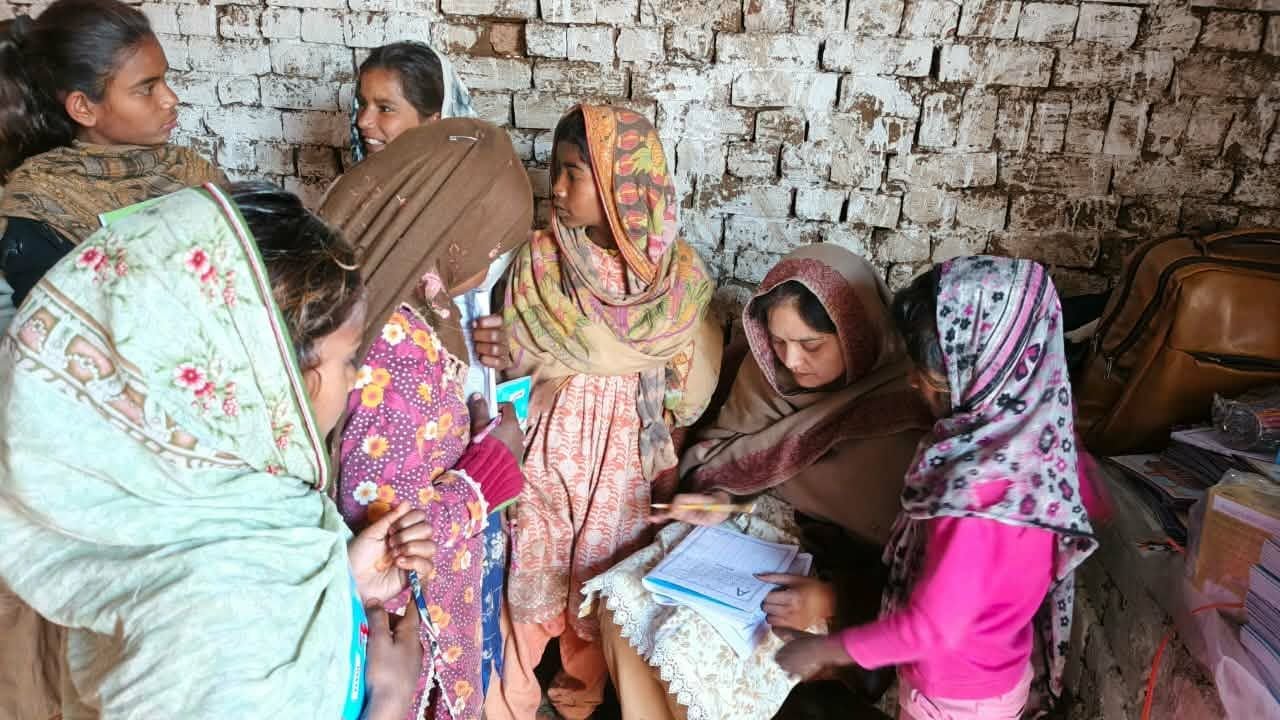
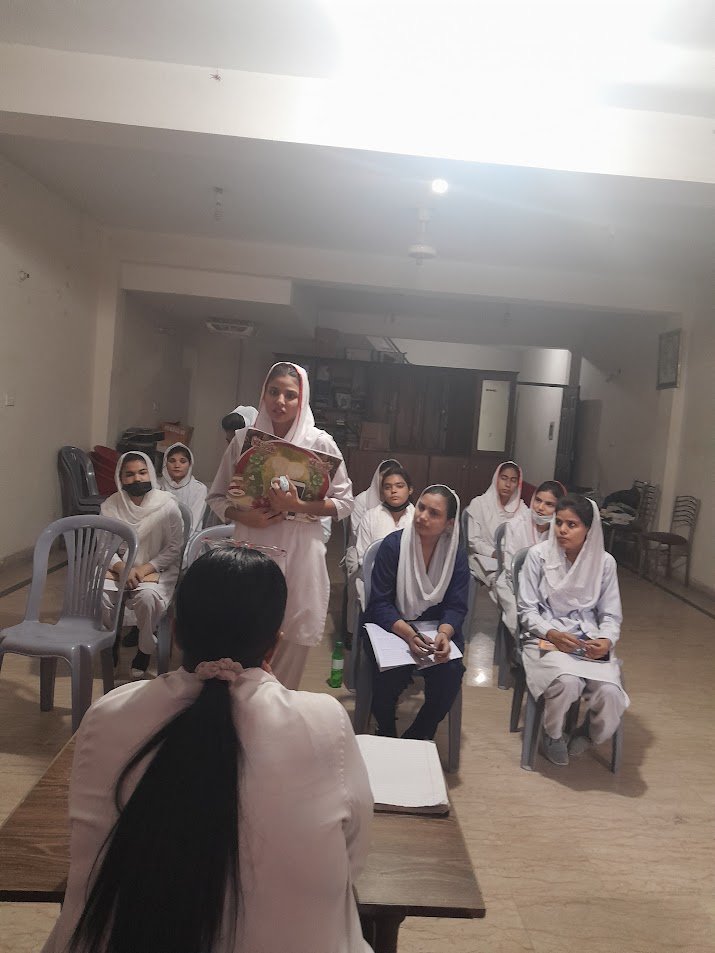
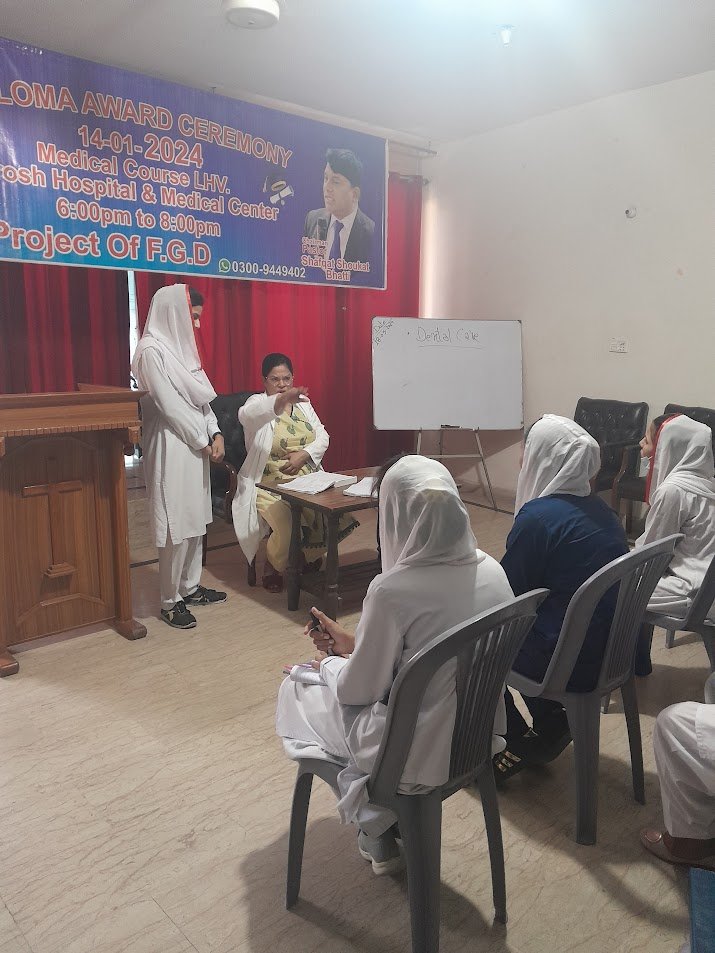
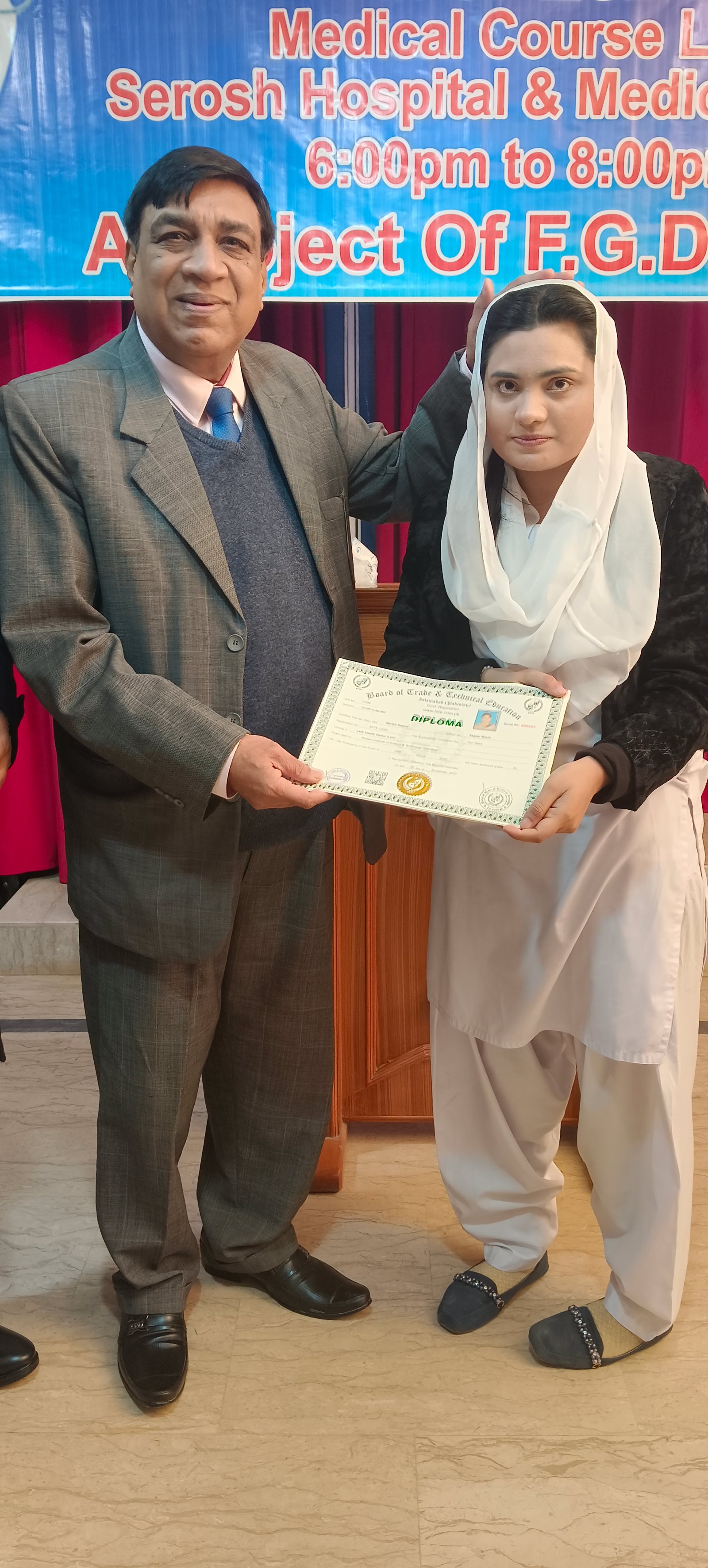
The Education Initiative began in 2013 with a focused and urgent mission—to empower young women through the LHV (Lady Health Visitor) and Midwifery Training Program.
At the time, many young women in underserved communities faced limited options, often restricted to low-income labor or vulnerable living conditions. Recognizing both the need for skilled healthcare workers and the lack of opportunity for these women, the program was launched to provide professional training, practical experience, and a pathway toward dignity and independence.
What started as a single step toward healthcare education quickly became a source of transformation. As graduates began serving in clinics, dispensaries, and rural communities, the impact extended far beyond individual success—it began to touch families, neighborhoods, and entire communities.
Over time, a deeper need became increasingly evident.
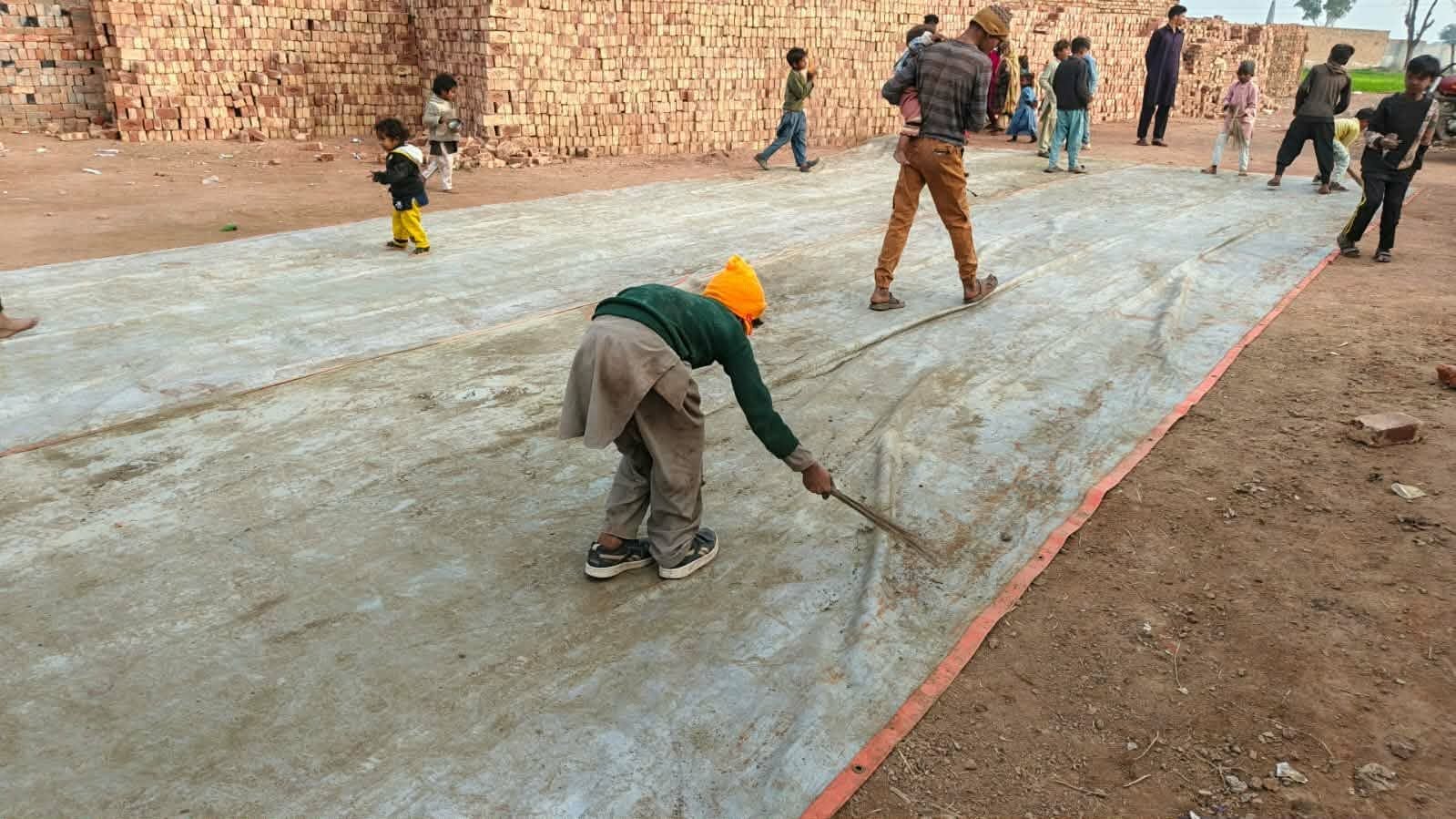
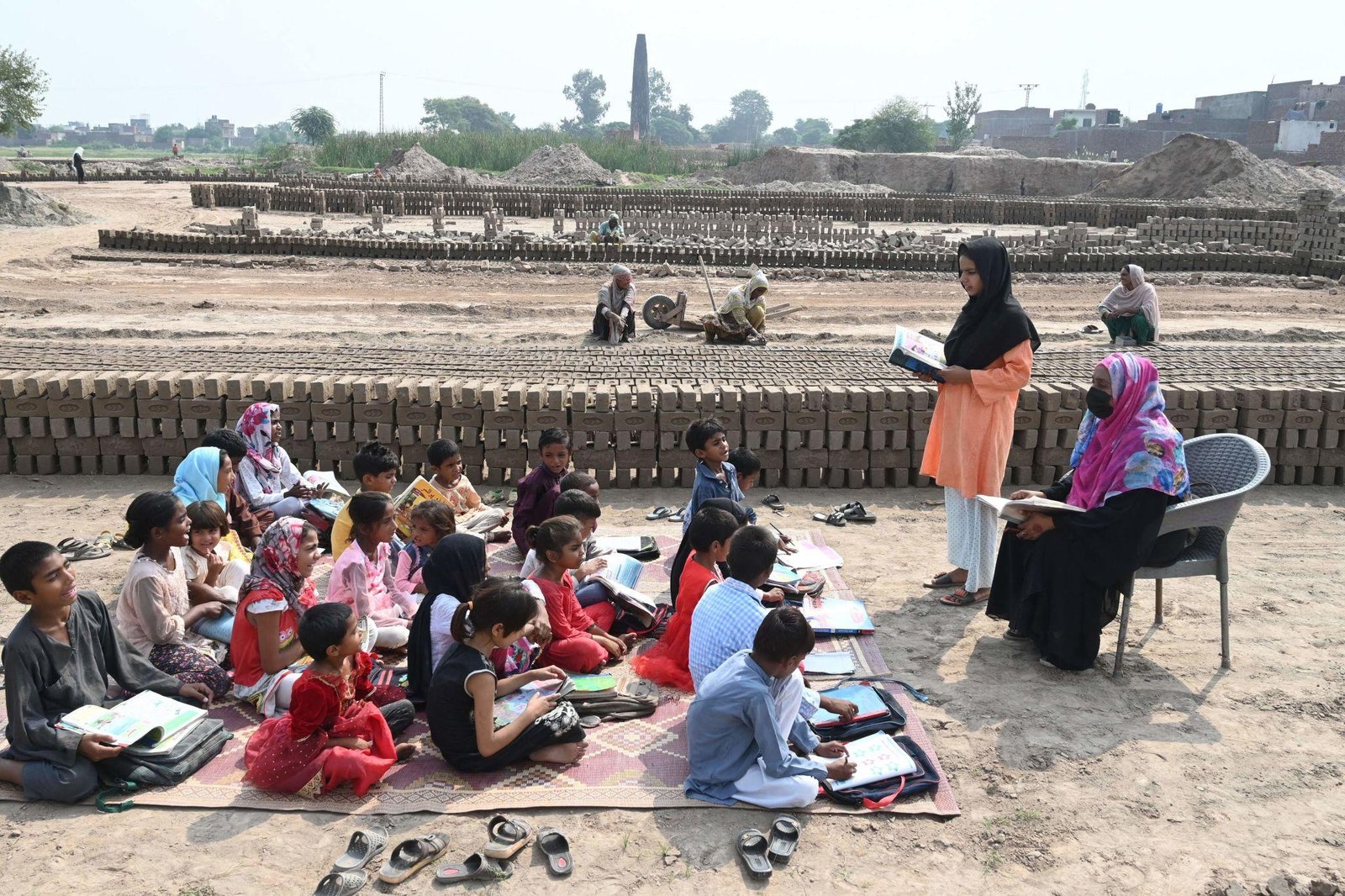
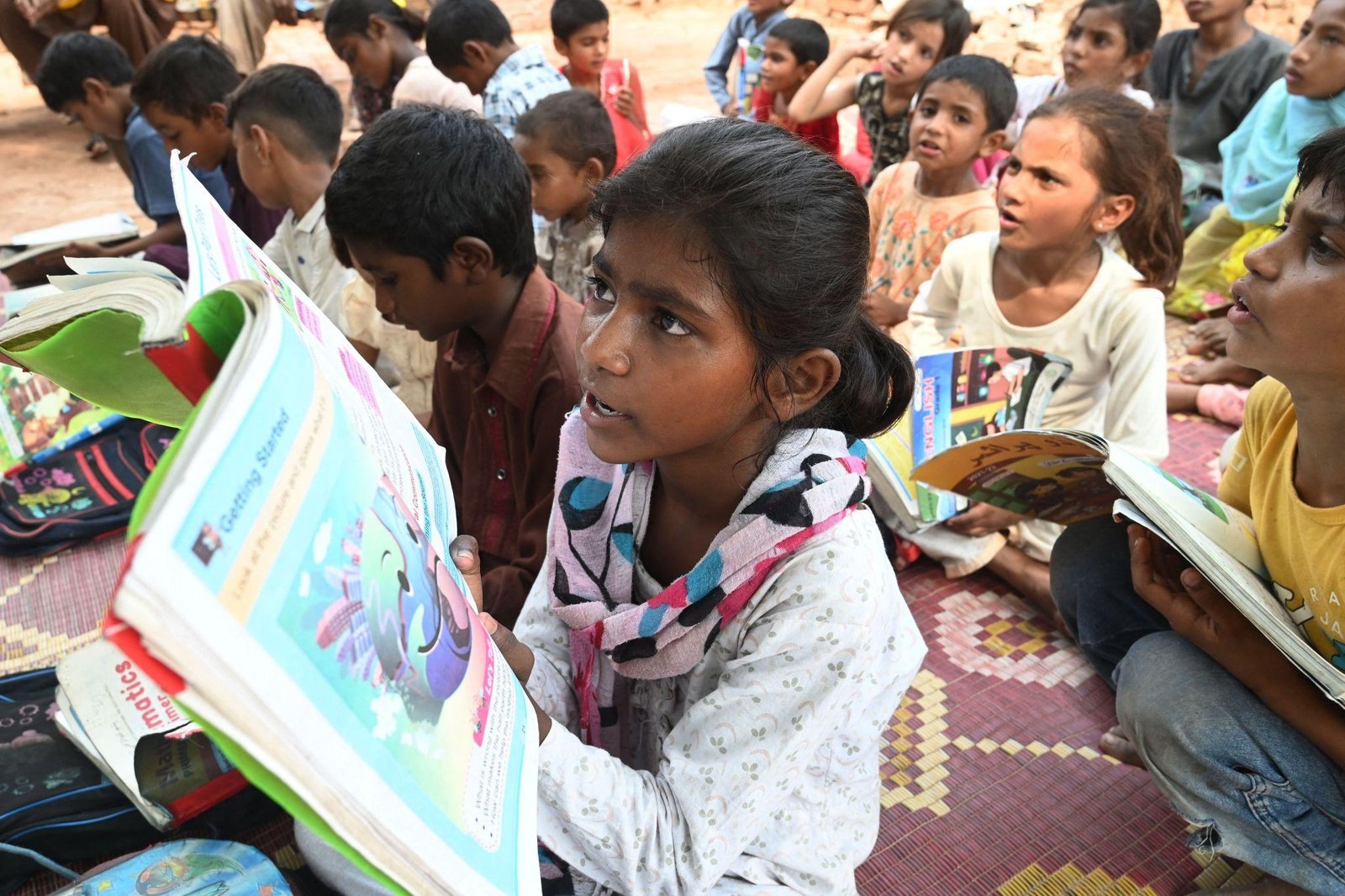
While young women were being equipped with professional skills, countless children in marginalized communities—especially in brick kiln areas—remained completely disconnected from even basic education. Generations were growing up without access to learning, trapped in cycles of poverty and labor with no clear path forward.
This growing awareness led to a natural expansion of the vision.
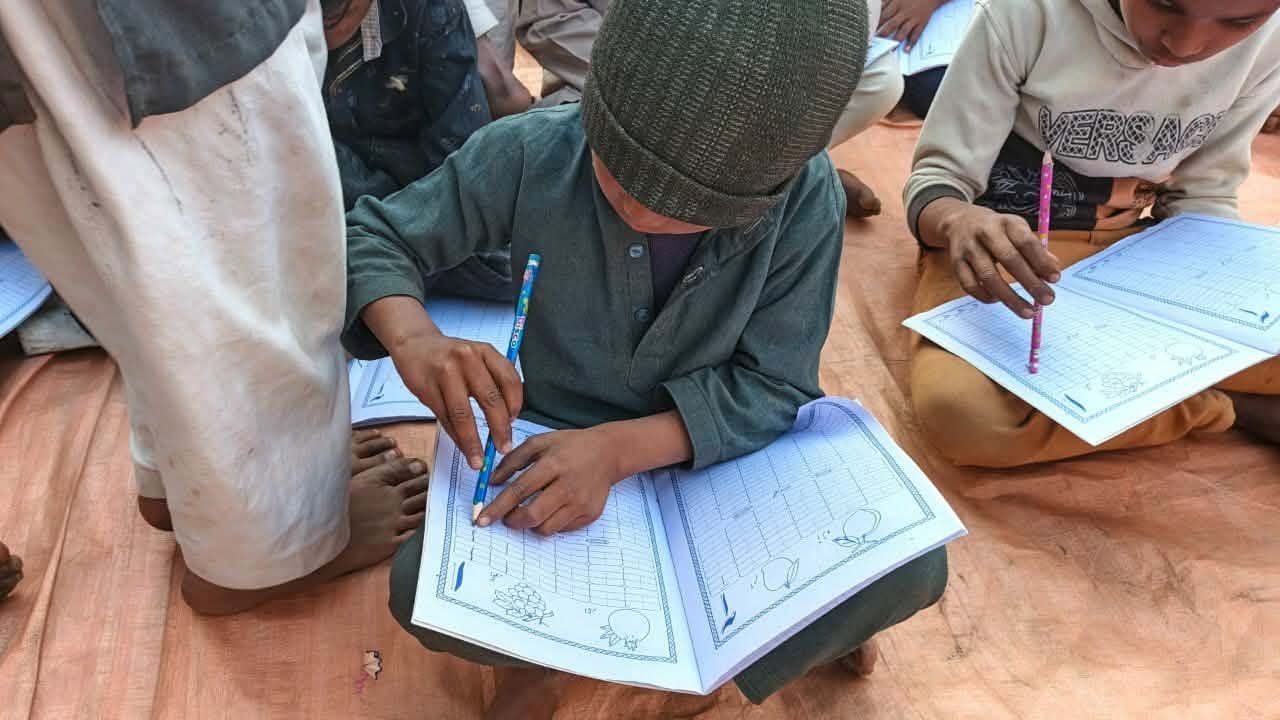
The initiative evolved beyond healthcare training into a broader, more comprehensive education movement. Conventional education was introduced through the establishment of Kiln Schools—bringing foundational learning directly into communities where it had never existed before.
This marked a defining shift.
From empowering individuals through professional training, the initiative expanded to shaping entire generations through accessible education. Today, both streams—LHV & Midwifery training and Kiln Schools—work together as part of one unified mission: to equip, uplift, and transform lives through education.
What began in 2013 as a response to a specific need has now grown into a multi-dimensional initiative—driven not only by opportunity, but by a deep and ongoing commitment to meet the evolving needs of the communities we serve.
And the story is still being written.